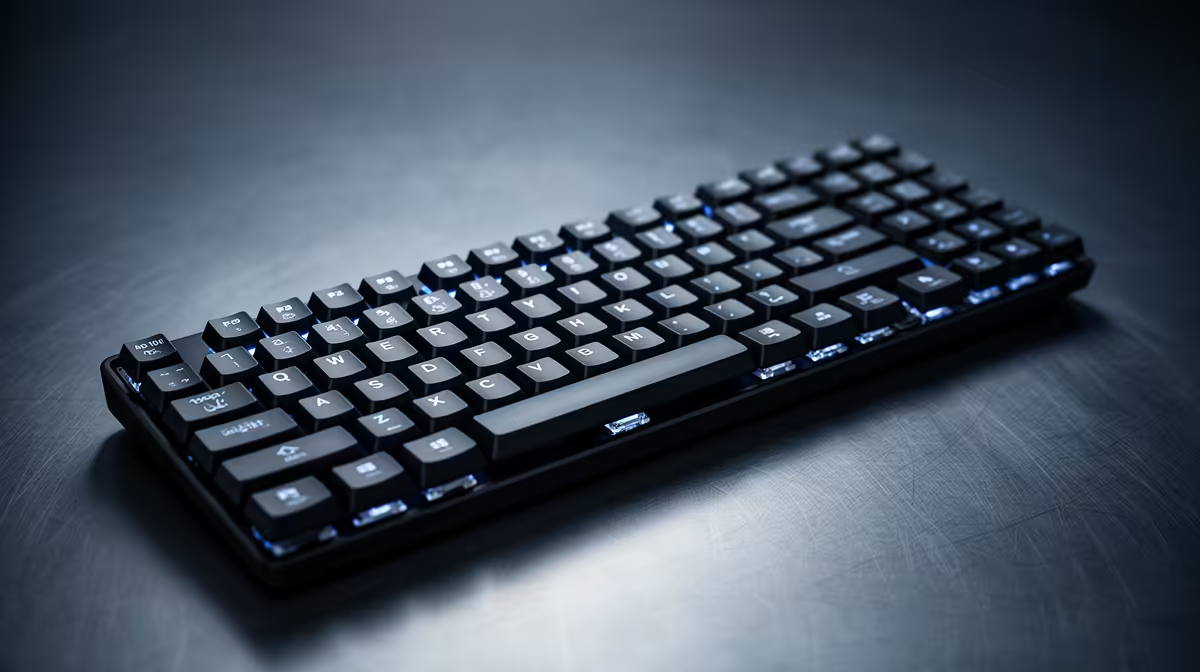
When low-profile typing speed is the concern, small layout details can matter more than big branding words. The practical test is whether the keyboard improves posture while keeping daily typing and gaming familiar when judging low-profile typing speed.
Quick Answer
For low-profile typing speed, comfort starts with wrist angle, key travel and the space around the keyboard. For low-profile typing speed, use a 10mm wrist-height check before buying.
Fit Low-Profile Typing Speed Around Your Hands
Start with the desk, not the box. For low-profile typing speed, check wrist angle, desk width and where the mouse sits after the keyboard is placed. A split shape, 10mm wrist-height check or low-profile keycaps can help with low-profile typing speed, but only when the hand position feels natural after more than a quick test.
Comfort Features Worth Checking For Low-Profile Typing Speed
Useful ergonomic features for low-profile typing speed remove repeated strain. Split layout spacing can open the shoulders, macro keys can reduce repeated commands, and reliable wireless mode support can keep the desk cleaner when judging low-profile typing speed. If a wrist rest is part of low-profile typing speed, it should support pauses without lifting the hands while typing.
Choose Low-Profile Typing Speed For The Routine You Repeat
Avoid choosing comfort features you will not use when buying for low-profile typing speed. A keyboard for low-profile typing speed should still handle games, documents, chat and shortcuts without slowing you down. Give low-profile typing speed time, but do not ignore immediate pressure points around the wrist, thumb or mouse hand.
Shortlist low-profile typing speed by hand position, desk fit and key feel before comparing shortcut extras.
FAQ
Will low-profile typing speed feel strange at first?
Often, yes. Judge low-profile typing speed after a few real sessions, then decide using wrist angle, shortcut reach and typing accuracy.
Can low-profile typing speed work for gaming too?
Yes, if low-profile typing speed keeps movement keys natural and leaves enough mouse space. For low-profile typing speed, comfort should not make core controls harder to reach.
What should I measure before buying for low-profile typing speed?
Measure desk width, mouse space and keyboard height for low-profile typing speed. Those simple checks prevent many comfort upgrades from feeling cramped when judging low-profile typing speed.