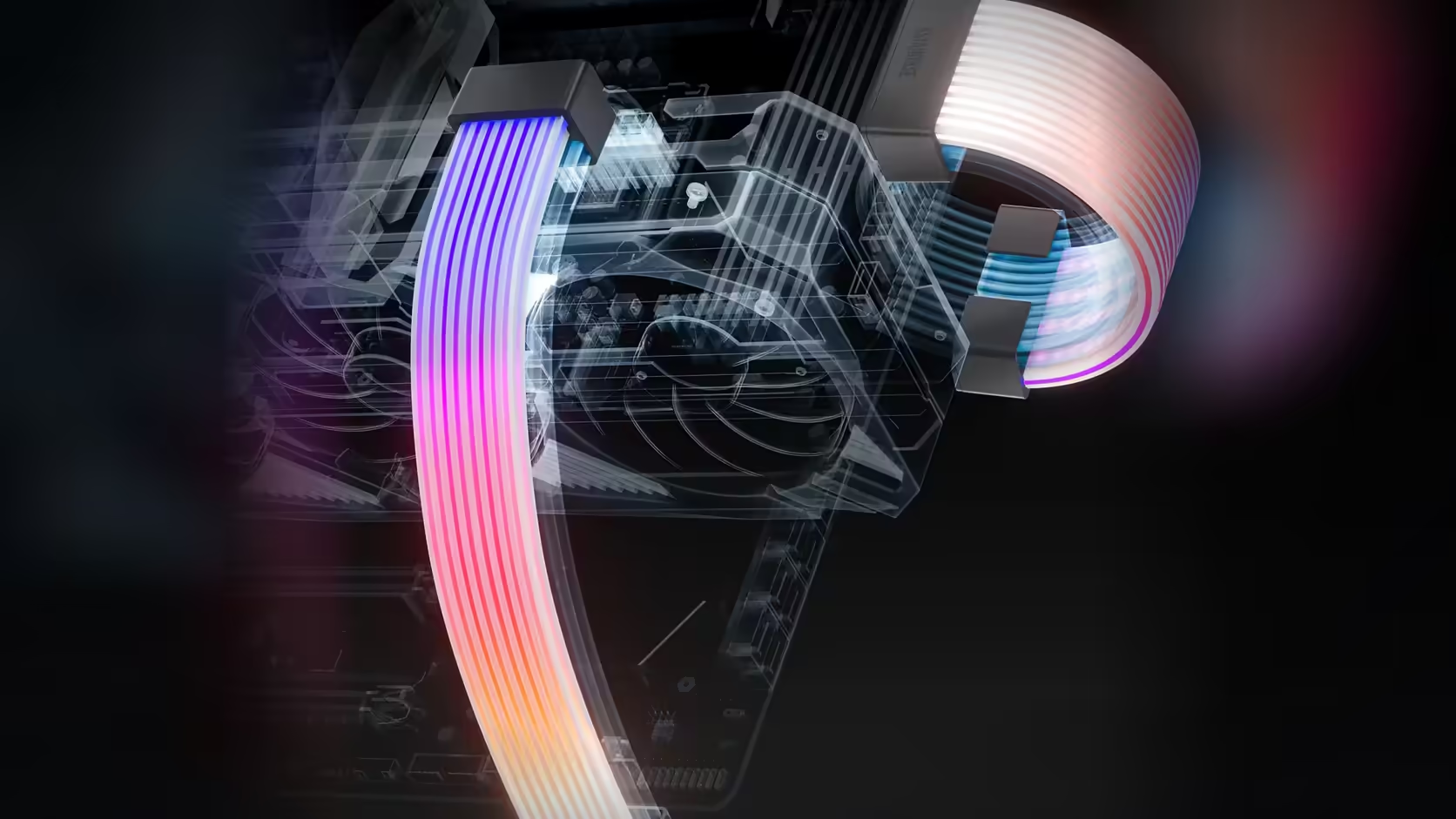
A graphics card is one of the more frequently removed components in a running build - upgrades, cleaning, occasionally troubleshooting - and every one of those removals starts with releasing the power cable's latch. AsiaHorse's Aurora ARGB cover kit's graphics cover is long enough to reach right up towards that latch if it isn't positioned with that in mind, so planning where it stops matters more than it might first seem.
Quick Answer
Plan the graphics shell's endpoint so the cable latch stays within reach, rather than letting a cover run all the way up to the socket area and bury it. Releasing that latch is a routine part of removing a card, and it's not something worth making harder for a few extra millimetres of R699 lit length that most people won't specifically notice missing.
🔒 Which latch is actually at risk here
The one on the graphics power connector - the small release mechanism that has to be pressed to free the cable from the card before it can be unplugged. It's a small, unremarkable detail on any normal run, but it becomes genuinely inaccessible if a shell is clipped directly over it.
👆 How much room does the latch actually need?
Enough to reach it with a fingertip comfortably, which in practice means keeping the shell clear of the immediate connector area entirely - not a large gap, just a deliberate one rather than an accidental overlap.
💡 Does leaving that gap cost much visible light?
A little, at that specific end of the run, though a span that ends cleanly before the socket area tends to read as a considered design choice rather than a shell that simply ran out of length. Most viewers won't register the gap as a shortfall at all.
🔧 When does the latch actually get used?
Whenever the card needs to come out - for cleaning, reseating after a knock, or swapping in an upgrade later on. None of those are rare events over the life of a build; they're the kind of routine maintenance most systems go through more than once.
🔄 Can the shell simply be slid back when access is needed?
It clips on and off, so unclipping it temporarily is an option whenever the latch genuinely needs reaching - though doing that every single time adds a small extra step to what would otherwise be a quick job, which is exactly why planning the gap in from the start avoids the repeated hassle.
Does the card's own length change where the shell should stop?
Yes - a longer card shifts the connector's physical position, which in turn moves where along the run the shell actually needs to stop to preserve latch access. This isn't a fixed measurement that applies identically across every build.
🔍 Is the board connector a similar concern?
It's reached less frequently than the graphics power plug, but leaving it visible carries the same access benefit - worth planning for even though it rarely comes into play compared with how often a card gets pulled. A motherboard swap or a full teardown for cleaning is really the only time that particular connector sees much attention, but when it does happen, having it clear rather than buried under a shell removes one small frustration from a job that's already fiddly enough to begin with on most modern graphics card layouts.
Evetech's case lighting range and cable management accessories are both worth checking before finalising where the shell sits, particularly if an upgrade is already on the cards.
Frequently Asked Questions
Which latch does this concern relate to?
The one on the graphics power connector, which has to be pressed to release the cable from the card before it can be unplugged.
How much clearance does the latch actually need?
Enough to reach with a fingertip, which usually means keeping the shell clear of the connector area entirely rather than a huge gap.
Does leaving that gap cost much visible light?
A little at that end, though a span ending cleanly before the socket reads as deliberate rather than as a shortfall in length.
How often does the latch actually get used?
Whenever the card needs to come out - cleaning, reseating, or an upgrade - all of which are routine rather than rare events.
Can the shell be slid back temporarily to reach the latch?
Yes, since it clips on and off, though doing that repeatedly adds a step compared with simply planning the gap in from the start.
Does the length of the card change where the shell should stop?
Yes - a longer card shifts the connector's position, which moves where along the run the shell needs to stop to preserve access.
Is the board connector a similar concern?
It's used less often than the graphics power plug, but leaving it visible offers the same access benefit worth planning for.
Want your build ready for the next graphics card swap?
Browse Evetech's graphics card and cable accessory ranges before positioning your Aurora shell.