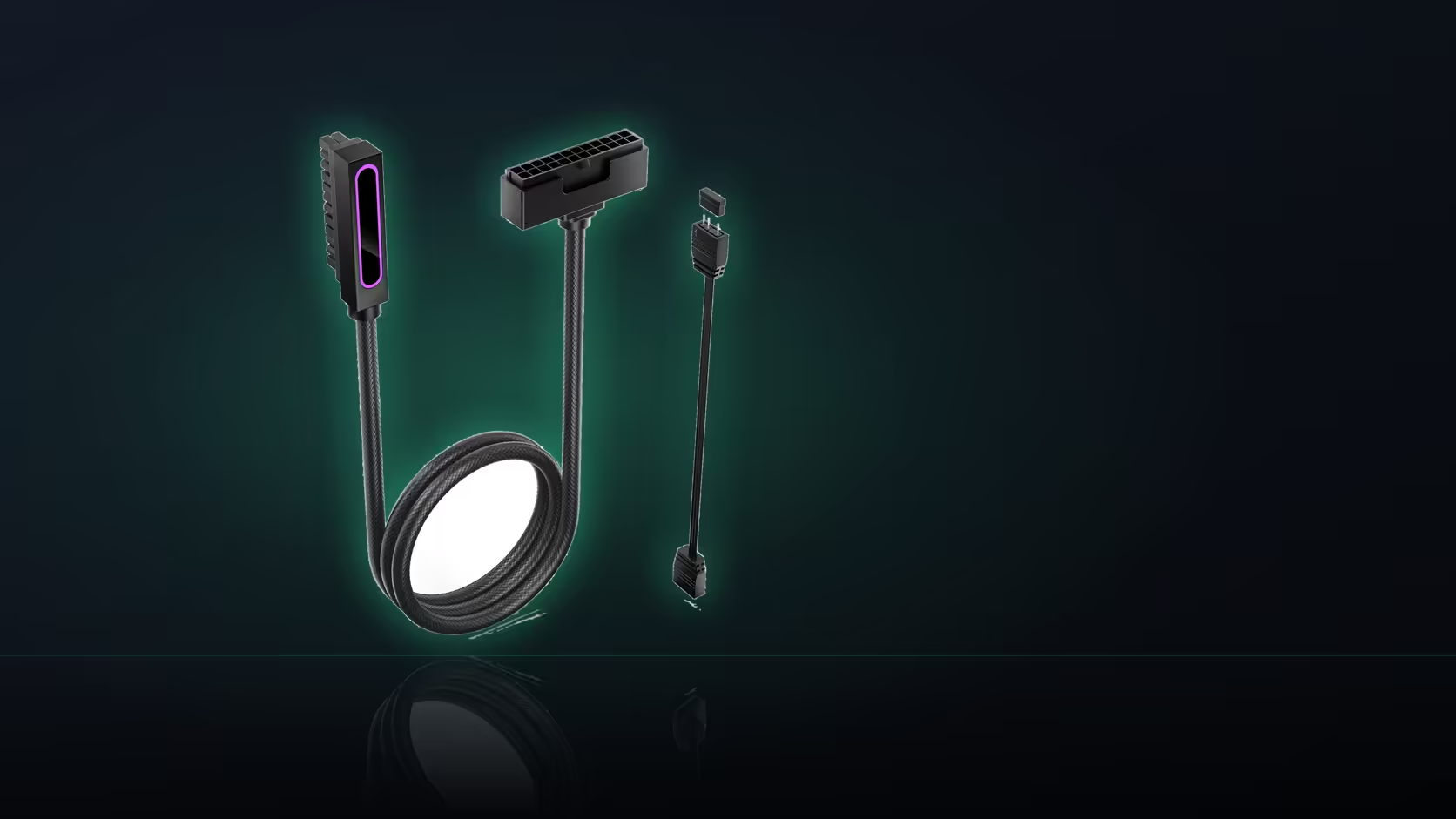
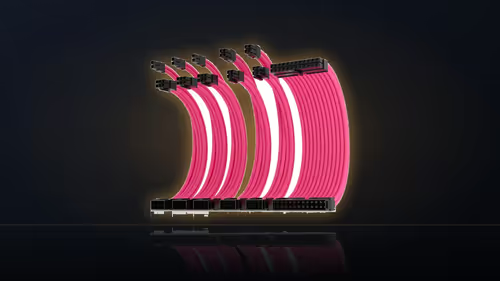
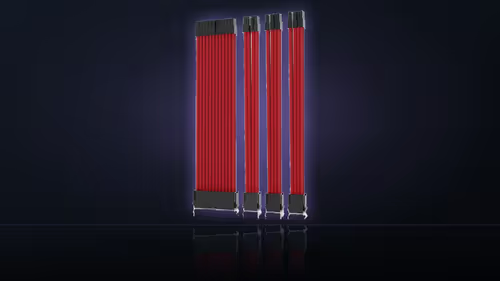
A quick pencil sketch takes less time than reading through a full product listing, yet it answers the one question that actually matters before ordering a 30cm Hydrus extension: does that fixed length genuinely reach where it needs to go, and in which direction should the head actually turn?
Quick Answer
Draw the path from the 24-pin socket to the case opening you intend to use. Check it against the 30cm the extension adds. A sketch takes a minute and shows whether a straight or side-exit head points the cable the right way.
✏️ What the sketch actually needs to show
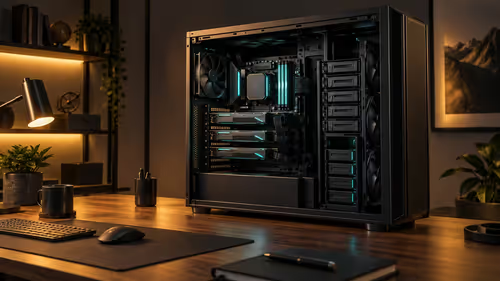
A useful sketch captures three things plainly: the socket's position on the board, the specific case opening you intend to route the cable toward, and the line connecting those two points - including any component the cable has to physically go around along the way, since a route that dodges a heatsink or a drive cage is meaningfully longer than the straight line between the two points would suggest.
📏 Why measuring beats estimating here
The reason a rough guess is not good enough is that 30cm is a fixed, non-negotiable allowance - it is exactly what the extension adds, no more - and a path curving around components in a real case is reliably longer than the straight-line distance a quick visual estimate would suggest. Underestimating that difference is exactly how a route ends up falling short once the cable is actually being fitted.
🔀 How the junction position changes the calculation
Where you choose to position the junction between the factory lead and the extension directly affects this measurement too: moving that join closer to the socket shortens the distance the extension itself has to cover, but it also brings the connector - the least attractive part of any extended run - noticeably nearer to the visible area, a trade worth weighing consciously rather than defaulting to whichever position is simply most convenient to reach.
🧭 Letting the sketch decide which head to order
The sketch directly informs which head design actually suits your build: if the line you have drawn heads sideways away from the socket toward a side opening, a side-exit version is the natural fit for that route. If the line instead drops straight down toward an opening below the socket, the standard straight head is what the geometry actually calls for - the sketch itself, done honestly, tends to answer this question without much ambiguity left over.
🏠 Sequencing this against buying the case, and refining the measurement
This exercise only makes sense to do after the case itself has been chosen and is physically in front of you, since opening positions are a property specific to each individual case design, and the whole sketching exercise depends entirely on already knowing exactly where those openings sit - sketching before a case decision is made is simply guessing at information that does not exist yet. For the actual measurement itself, a length of string laid along the intended path and then measured once pulled straight is genuinely more accurate than a rigid ruler, since string naturally follows the curve the cable will actually take through the case, where a ruler only ever measures a straight line the cable will never travel in practice. If the measured route does come out longer than the 30cm allowance permits, moving the junction closer to the socket is the one adjustment genuinely available to close that gap without changing anything else about the plan - it is worth building that flexibility into the sketch from the start rather than discovering the shortfall only once fitting is already underway. The wider range this extension belongs to is at cable solutions, while further lighting accents worth sketching into the same plan sit at NZXT case lighting.
Frequently Asked Questions
What does the sketch need to show?
The socket position, the opening you plan to use, and the line between them, including any component the cable has to go around.
Why measure rather than estimate?
Because 30cm is what the extension adds, and a path that curves around components is longer than the straight line between two points.
Does the junction position affect the answer?
It does. Moving the join closer to the socket shortens the run the extension has to cover but brings the connector nearer to view.
How does the sketch inform head choice?
If the line heads sideways from the socket, a side-exit version suits it. If it drops away, the straight head is the natural fit.
Should I sketch before or after buying the case?
After, since opening positions are a case property and the whole exercise depends on knowing where they are.
Is string better than a ruler?
For measuring the path, yes, because string follows the curve the cable will take while a ruler measures a line it never uses.
What if the route is longer than the allowance?
Move the junction closer to the socket, which is the adjustment available without changing anything else about the build.
Sketching a cable route before you order?
Have a look at Evetech's power supply range and confirm your case's openings before finalising the plan.