



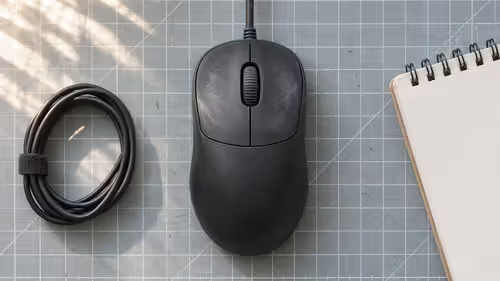
Mouse scroll wheel jumping: test it before replacing it
Try slow scrolls in two apps, test a direct USB connection and brush around the wheel. Identify a flaky wheel before you replace a working mouse.
Read moreStart with PLA. The SE also supports PETG and 95A TPU for different jobs. Buy a single spool for a real project before adding more materials.
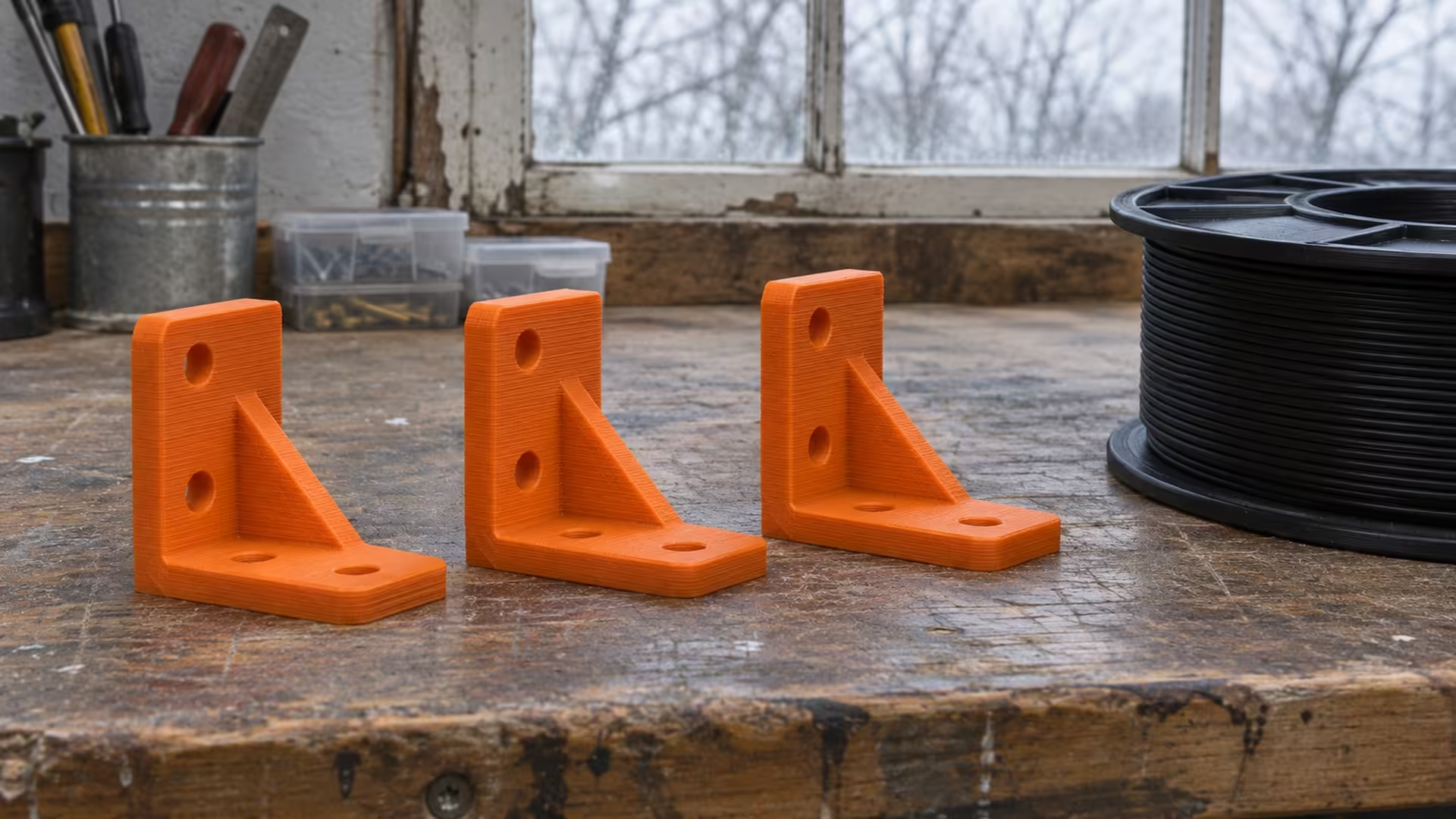
A printer's box can tell you the spool diameter without telling you which material to buy first. If the Creality Ender-3 V3 SE 3D printer is on your shortlist, pick a project before you order a spool. A rigid desk clip, a tougher workshop bracket and a flexible sleeve call for different choices.
Start with 1.75 mm PLA for a first print on the Creality Ender-3 V3 SE 3D printer. Creality also lists PETG and 95A TPU for this model. Choose PETG when your design calls for a tougher rigid part, or 95A TPU when you want it to flex. Match the slicer profile to the spool.
Print a small, simple object before you attempt a full-size project. A short cable clip shows whether the first layer sits flat and whether the finished part fits its target. You can adjust the model after a quick test without spending most of a spool. Keep the manufacturer's printer and PLA profiles selected while you learn what a clean first layer looks like on your machine.
If a test fails, note whether the filament reached the nozzle and whether the first lines stuck to the bed. Adjust one factor at a time. Switching materials, changing the bed temperature and reslicing the whole part together makes it hard to tell which change helped.
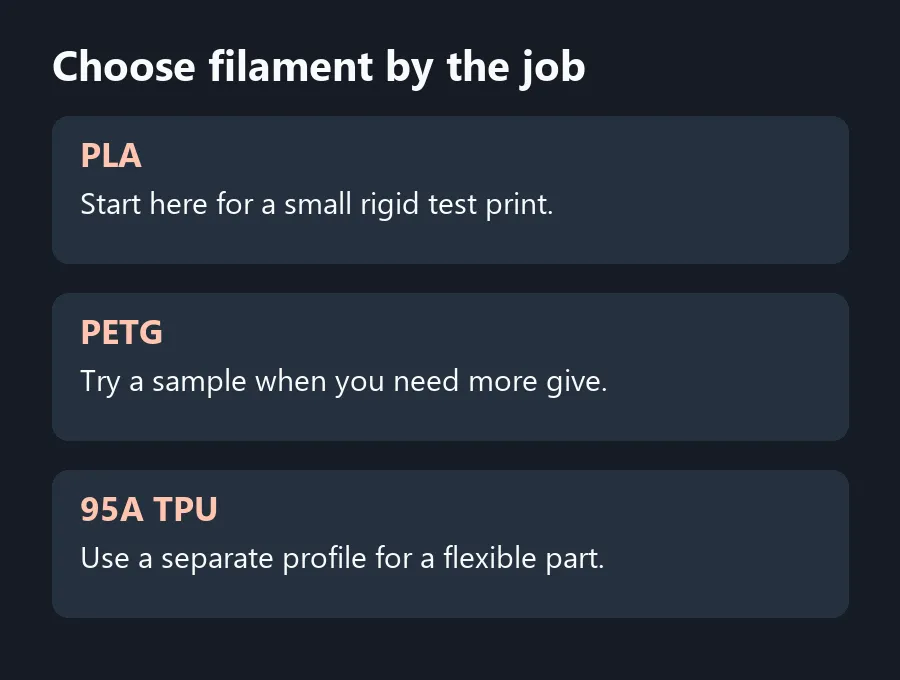
Use PETG when you need a rigid part with a bit more give than an equivalent PLA print. Start with a small sample of the actual design and test fit and flex before relying on it. For a soft bumper or sleeve, try the 95A TPU grade Creality lists. A flexible spool often needs its own settings and slower printing than the PLA profile. Look up the guidance for the spool and the SE rather than copying a setting for a different printer.
Both the material and the part geometry affect the finished result. A thin mounting tab and a thick block printed from one spool can behave differently. If the print matters to the fit of a larger assembly, trial the contact point at a small scale first.
The manual for the SE lists a 0.4 mm standard nozzle and the supported materials. Treat other Ender-3 V3 models as separate machines when checking a material, a nozzle or a profile. Before you buy, read the label for the spool diameter and material grade, then compare that with the SE guide.
Use 3D Printing Filament to check local spool options and the materials shown on their listings. If you are still choosing a machine, check 3D Printers by the full model name. Allow for the cost of one suitable spool before adding specialty materials you may never use.
It uses 1.75 mm filament. Check that size on the spool label.
Start with PLA and a small rigid object. It lets you learn the setup before trying a part with different material needs.
Yes. Creality lists PETG for this model. Choose a profile suited to both the machine and the spool.
Creality lists 95A TPU. Use the material guidance for the SE and the exact spool you intend to buy.
Choose the V3 SE profile. Similar names do not guarantee the same printer limits or settings.
The SE manual lists a 0.4 mm standard nozzle.
PLA Buy a single spool for a real project before adding more materials.
It uses 1.75 mm filament. Check that size on the spool label.
Start with PLA and a small rigid object. It lets you learn the setup before trying a part with different material needs.
Yes. Creality lists PETG for this model. Choose a profile suited to both the machine and the spool.
Creality lists 95A TPU. Use the material guidance for the SE and the exact spool you intend to buy.
Choose the V3 SE profile. Similar names do not guarantee the same printer limits or settings.
The SE manual lists a 0.4 mm standard nozzle.
Try slow scrolls in two apps, test a direct USB connection and brush around the wheel. Identify a flaky wheel before you replace a working mouse.
Read more
It prints on both sides automatically. Its document feeder scans one face of each sheet per pass. Check how often you scan both sides before paying for features you may use every week.
Read more
Look for Gaming Hub among your Galaxy apps. Use My games to open installed titles. Check the Galaxy app and official channels before spending data on a download.
Read more
Select the correct input and test one monitor with a direct DisplayPort connection. Test the cable path before you price another screen.
Read more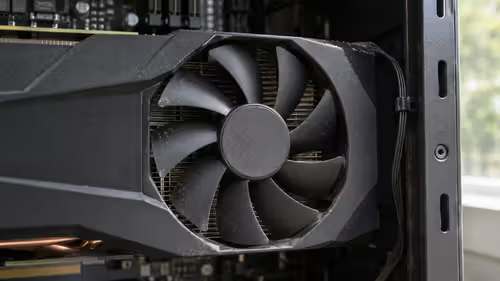
Unplug the PC and look for a cable or bracket near the clicking graphics card fan. Check fan clearance before paying for a replacement graphics card.
Read more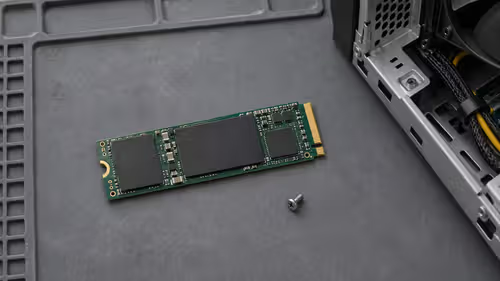
Open Disk Management to see whether the SSD needs a drive letter or, if it is brand-new and empty, a volume. Check Disk Management before replacing an SSD the firmware can already see.
Read more Open Disk Management to see whether the SSD needs a drive letter or, if it is brand-new and empty, a volume. Check Disk Management before replacing an SSD the firmware can already see.
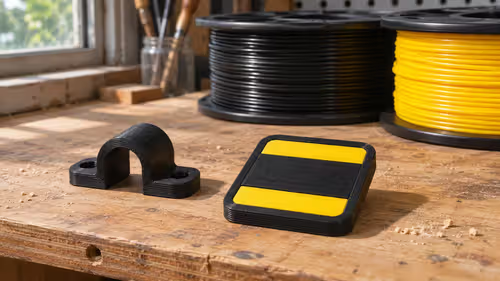
The standalone P2S can print from one spool. Choose the Combo if you want the included AMS 2 Pro to handle automatic filament changes. Compare the local standalone and Combo quotes against the projects you will print.
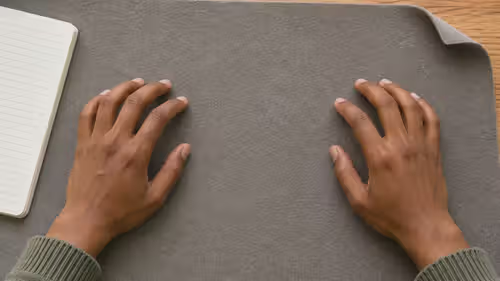
The ZSA Wireless Voyager is a low-profile split Bluetooth keyboard with QMK. A local price was unconfirmed on 25 November. Evetech listed the one-piece Marvo Monka Sora 75 at R449 as a wireless keyboard price reference.
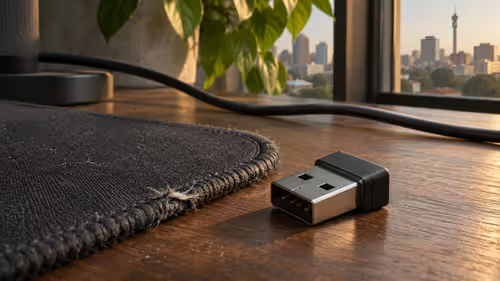
ZOWIE EW gaming mice come in six models across four shape families. ZOWIE lists up to 8 kHz polling. The EW local price is unconfirmed. Evetech listed the MARVO Duke 50W at R149 on 25 November as a budget wireless reference.
Open Disk Management to see whether the SSD needs a drive letter or, if it is brand-new and empty, a volume. Check Disk Management before replacing an SSD the firmware can already see.
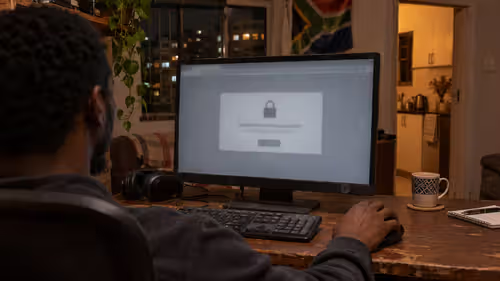
A 403 error means the server understood the request and refused access. Give the page owner the account role and local time so they can investigate the refusal.
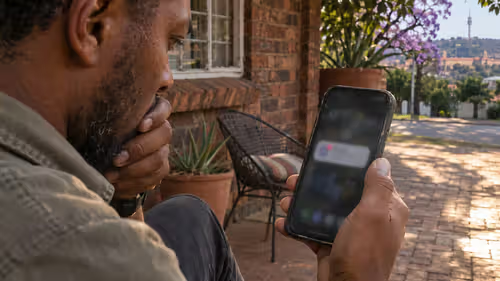
Block browser pop-ups, revoke the site's notification permission or remove the app that sends the ads. Find whether a browser tab, site notification or downloaded app produced the ad.

Try Borderless Windowed if the screen blacks out when you switch away from a fullscreen game. Compare fullscreen and borderless modes before replacing a display or cable.
Try slow scrolls in two apps, test a direct USB connection and brush around the wheel. Identify a flaky wheel before you replace a working mouse.
It prints on both sides automatically. Its document feeder scans one face of each sheet per pass. Check how often you scan both sides before paying for features you may use every week.
Look for Gaming Hub among your Galaxy apps. Use My games to open installed titles. Check the Galaxy app and official channels before spending data on a download.
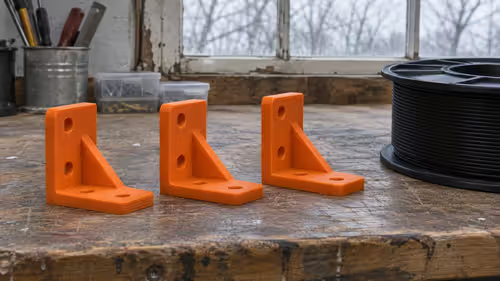
Start with PLA. The SE also supports PETG and 95A TPU for different jobs. Buy a single spool for a real project before adding more materials.