A 360mm radiator is one and a half times the length of a 240mm one, and that single difference changes almost everything about the cooler. The bigger radiator gives the heat more surface to leave through, so the fans can run slower for the same result. The cost is case room, weight and a longer loop to fit in the chassis. Here is what actually changes when you step up from a 240mm radiator to a 360mm one, with the sizes that matter for planning, and how to decide whether the extra room is worth it.
Quick Answer
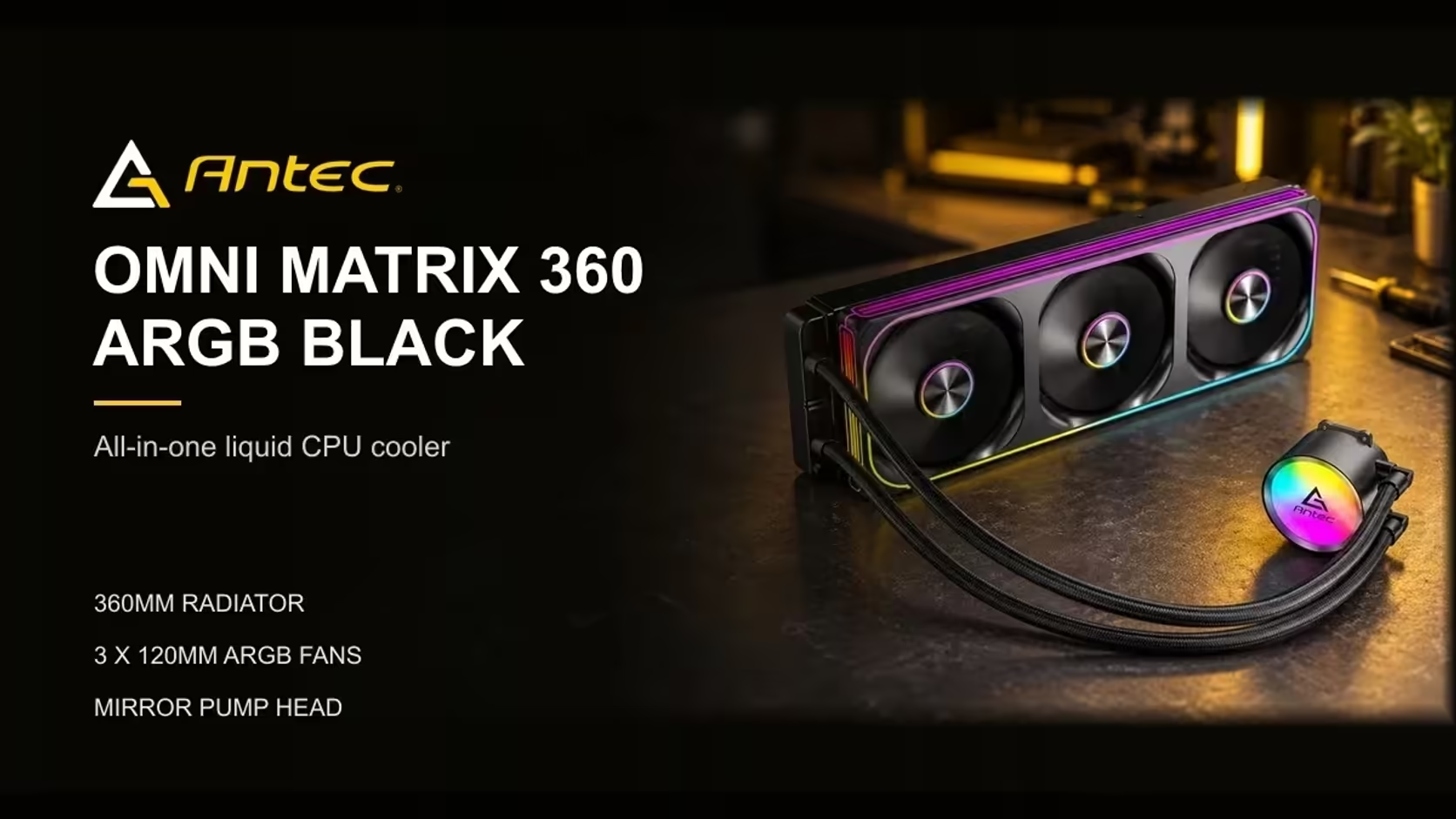
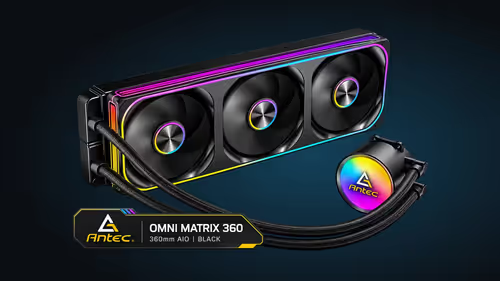
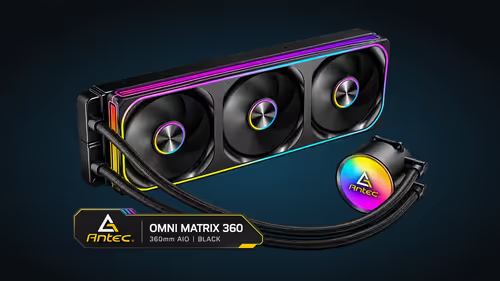
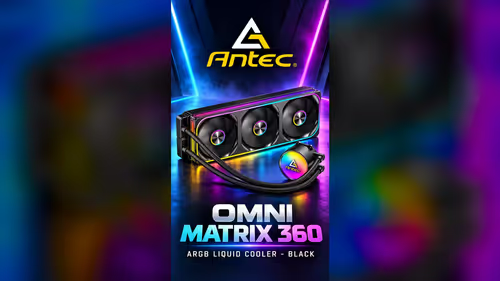
A 360mm radiator has about 1.5 times the surface area of a 240mm one, so it can shed similar heat at lower fan speeds. The trade-offs are case room, extra weight and a slot that is roughly 117mm longer. The Antec Omni Matrix 360 at R999 uses three 120mm fans to cover that larger area, which is why the 360mm version needs a full-length slot.
📐 The sizes behind the numbers
Radiator size is named for the length of its fan mount, so a 240mm radiator takes two 120mm fans side by side and a 360mm radiator takes three. A 240mm unit is about 277mm long, while a 360mm unit is about 394mm, which means the larger radiator is roughly 117mm longer. Both are usually around 27mm thick, and that thickness has to fit between the case wall and the cooling fans.
Surface area scales with the length of the radiator. A 360mm unit has three fan-width sections of fins, a 240mm unit has two, and the extra section is where the 50 percent gain in area comes from. More fins mean more contact with the air, and that contact is what carries heat from the coolant into the room.
The Antec Omni Matrix 360 follows that pattern. Fan speeds on this unit span 800RPM to 1800RPM, and each fan is rated at 42.9CFM. Those three fans cover the whole 360mm radiator, which is why the cooler is built around three fans rather than two. A 240mm version of the same design would need only two.
🌡️ What the extra area buys you
The main benefit of the bigger radiator is that the fans have less work to do. Heat leaves the coolant more easily when the air has more fins to pass through, so the fans can sit at a lower speed for the same temperature. That lower speed usually means less noise, which matters most in a room that stays quiet in the evening.
The benefit is clearest under a long load. A short burst of heat is absorbed by the block and the loop, so a 240mm cooler can look almost as good as a 360mm one in a quick test. A long render or a sustained game is where the bigger radiator shows its value, because the heat keeps arriving and the extra area keeps removing it.
The benefit is smaller at idle. When the processor is cool, both sizes can hold a steady temperature with the fans at low speed. Most of the difference appears when the chip works hard for a long time, so judge the size by your heaviest sessions rather than the quietest ones.
🧱 What the bigger radiator costs you
The first cost is case room. Mounting a 360mm radiator takes a slot that runs the full length of the front or top panel, and many compact cases offer only a 240mm mount. Check the slot's length and the fan thickness before you commit, because a radiator that does not fit is no cooler at all.
The second cost is weight. A 360mm radiator with three fans and a full loop is heavier than a 240mm version, and the extra mass hangs off the front or top panel. Support it with the case mounts rather than letting the tubing carry the load, and check that the case panel can take the weight.
The third cost is the loop itself. A bigger radiator needs a longer path for the tubing, and the tubing has to bend around the case without kinking. Plan the route before you mount the block, and leave enough slack that the pump is not pulled against the board when you close the case.
🏡 Which size suits a small flat in Gauteng
A small flat in Gauteng usually means a compact case, a tight desk and a PC that sits close to the bedroom. A 240mm radiator often fits those constraints, and it still delivers good cooling for a midrange processor. The 360mm radiator suits a larger mid-tower with a front or top mount that is free.
Think about the room too. A bigger radiator puts more heat into the air around the case, and a small room gets warmer faster than a large one. If the PC shares a space with you for long evenings, a 240mm cooler may keep the room more comfortable, even if its peak temperatures are a little higher.
Compare the budget as well. The Antec Omni Matrix 360 costs R999 as a 360mm unit. A 240mm cooler usually costs less, and the extra money buys a bigger radiator and three fans, so ask whether the processor you own gains enough from that to justify it.
🧭 Deciding which size fits your build
Start with the case. Measure the slot for the radiator, and check whether the fan mount sits at the front, the top or both. A 360mm radiator needs a full slot in one of those positions, and a 240mm radiator needs a smaller one. The case decides the size more often than the processor does.
Next, consider the processor. A chip that runs hot under long loads gains more from the bigger radiator than a chip that spends its time at idle. If your work is mostly browsing and light games, a 240mm cooler may be the sensible choice.
Finally, weigh the noise. A 360mm radiator can run its fans slower for the same result, so the quiet build is often the bigger one. A 240mm cooler runs its fans faster for the same temperature, which can be audible in a quiet room.
Our liquid CPU coolers page lists the AIO options by type, and the CPU coolers category shows the sizes available. For cases that suit a 360mm mount, the mid tower cases range is the place to check.
Frequently Asked Questions
Is a 360mm AIO always quieter than a 240mm AIO?
Often, but not always. A bigger radiator lets the fans run slower for the same temperature, which usually means less noise. The fans and the pump still set the final sound, so check both before you judge.
How much longer is a 360mm radiator than a 240mm one?
A 240mm radiator is about 277mm long and a 360mm radiator is about 394mm long. The difference is roughly 117mm, which is the extra length of the full slot you need.
Does a 360mm radiator always cool better?
It has more surface area, so under a long load it can shed heat more easily than a 240mm unit. It cannot beat the room air, though, and a short test may show little difference.
Can a compact case take a 360mm radiator?
Some can, if the case has a full-length mount at the front or top. Measure the slot and the fan thickness first, because many compact cases offer only a 240mm mount.
Choosing a radiator size?
Browse our liquid CPU coolers and check the mount in your case before you pick a 240mm or 360mm model.