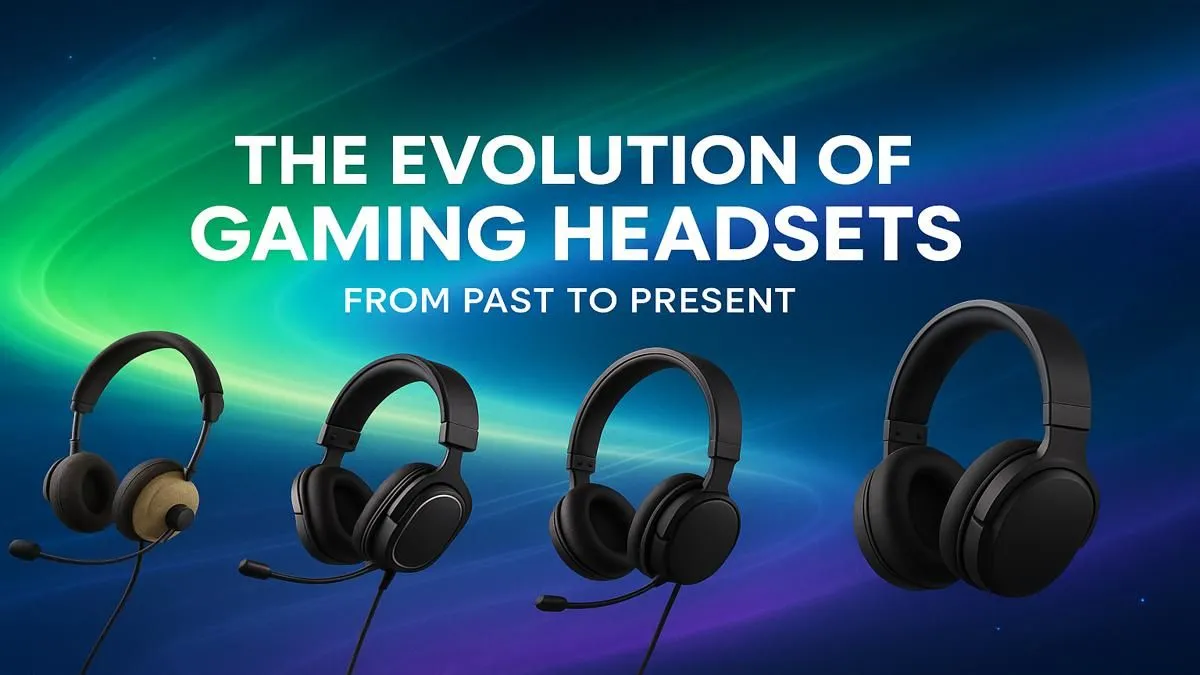
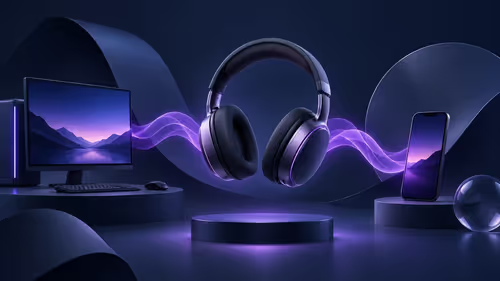
Remember the tinny, 8-bit chiptunes of your first video game? Those iconic sounds were the entire world. Fast forward to today, and the difference is staggering. The evolution of gaming headsets has transformed our digital worlds from simple soundscapes into hyper-realistic, 3D audio battlegrounds where hearing a single footstep can mean victory. This journey from basic bleeps to cinematic sound is a massive part of modern gaming culture, and it’s a story worth telling. 🚀
The Humble Beginnings: 8-Bit Bleeps and Stereo Sound
In the early days of gaming, audio was simple. The boop of a Pong paddle or the marching rhythm of Space Invaders was delivered through a single mono speaker, often built right into the arcade cabinet or television. It was functional, but hardly immersive. The real shift began with home consoles and PCs introducing stereo sound. Suddenly, you could hear a car whiz from left to right, adding a new layer of depth. While basic by today's standards, this was the first step in using audio to build a believable world, a foundation for the incredible wide range of headsets we see today.
The Rise of Multiplayer and the Need for Comms
The late 90s and early 2000s changed everything. With the explosion of online multiplayer games like Counter-Strike and the rise of LAN parties across South Africa, communication became critical. Shouting callouts across a stuffy room just wasn’t efficient. This necessity sparked the creation of the first true "gaming headsets"—headphones with a microphone attached. The primary goal wasn't audio fidelity; it was clear, reliable comms. For many competitive players, the lag-free connection of a zero-latency wired headset remains the gold standard for this very reason.
Surround Sound and the Competitive Edge
The next major leap in the gaming headset evolution was virtual surround sound. Technologies like 5.1 and 7.1 surround sound used clever audio processing to simulate a 360-degree soundscape. For the first time, you could accurately pinpoint the direction of gunfire or, more importantly, the subtle sound of enemy footsteps. This transformed audio from a background element into a vital tactical tool. It gave players a genuine competitive advantage, and the market responded with headsets that offered both crystal-clear comms and precise directional audio, along with the freedom of a wireless headset to move without getting tangled. ✨
Optimise Your Audio 🔧
Most modern PCs and consoles have spatial audio settings like Windows Sonic or Dolby Atmos. Before you even launch a game, dive into your system's sound settings and enable one. This can dramatically improve directional audio in many games, giving your existing headset a serious upgrade without costing you a Rand!
The Modern Era: From 8-Bit to 3D Audio
Today, we're living in the era of 3D Audio, also known as spatial audio. This isn't just surround sound on steroids; it adds a crucial element of verticality. Now, you can hear not just what’s around you, but what’s above and below you too. A helicopter flying overhead in Warzone or a creature crawling in the vents above you in Alien: Isolation sound terrifyingly real.
Consoles are leading this charge. Sony's PlayStation 5, with its Tempest 3D AudioTech, is designed to deliver this experience through a wide variety of headsets optimised for PlayStation. Similarly, the Xbox ecosystem heavily utilises Dolby Atmos and DTS:X to create convincing 3D soundscapes, and there are many compatible Xbox headsets built to take full advantage of it. This modern leap is as significant as the jump from mono to stereo.
Where Does Headset Evolution Go From Here? 🎧
The evolution of gaming headsets is far from over. We're seeing advancements in AI-powered noise cancellation for microphones, haptic feedback that lets you feel in-game explosions, and even lighter, more comfortable designs for those marathon gaming sessions. The goal is always total immersion and flawless communication.
Keeping up with the latest tech doesn't have to break the bank either. As new models arrive, you can often find some of the best gaming headset deals on last season's top-tier gear, giving you a massive audio upgrade for less. From simple bleeps to full 3D audio, the journey has been incredible, and it's made our games better than ever.
Ready to Hear Every Detail?
The evolution of gaming headsets is all about immersion and competitive advantage. Don't let outdated audio hold you back. Explore our massive range of gaming headsets and find the perfect sound for your setup in South Africa.