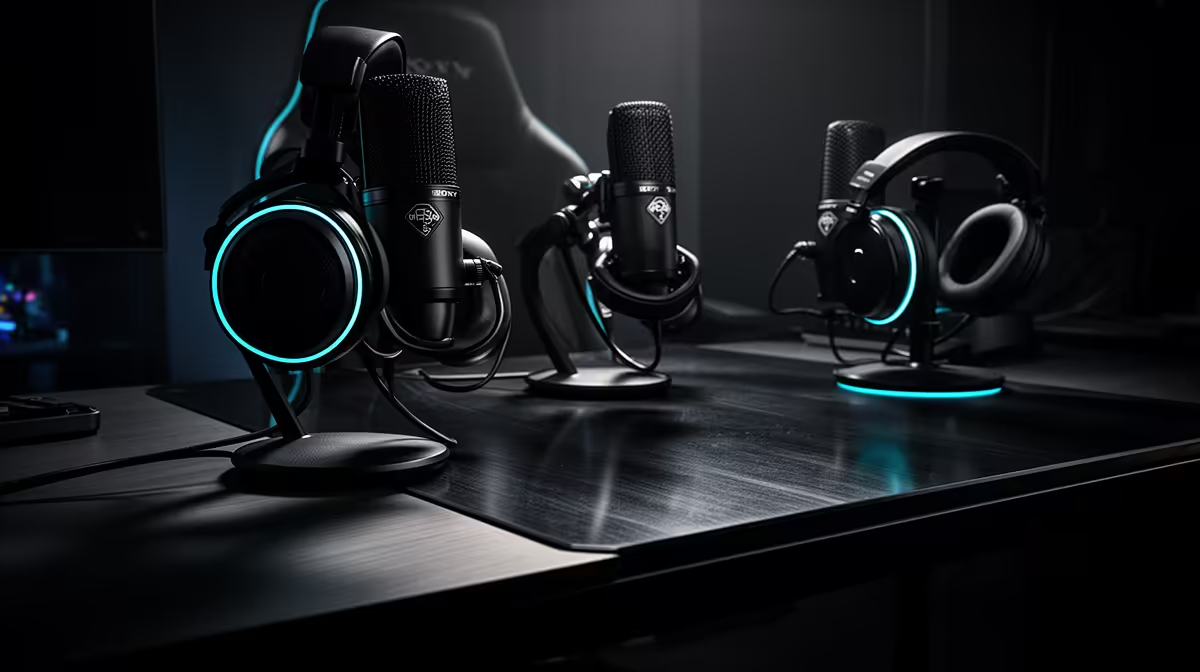
Podcast budgets should scale with the format. Around R5,000 can build a clean solo USB setup. Around R10,000 can support two hosts with separate microphones and mounting. Around R20,000 can move both voices through one audio interface with better monitoring and room control. These are planning envelopes. Price named products before deciding which tier is real today.
Quick Answer
Choose the solo rung when one voice and simple editing define the show. Choose the duo rung when two people need close microphones and separate tracks. Choose the studio rung when monitoring, guest inputs, dependable multi-channel capture and acoustic control save time every episode. Do not buy the top rung for status; buy it when the production has outgrown the simpler signal path.
R5,000 solo: one voice, one dependable path
A USB microphone, stable arm or stand and closed headphones form the core. The microphone's built-in converter avoids a separate interface. Choose its pattern around the room and keep it close.
Spend time on the room before accessories. Record echo, PC fans and outside noise. Move away from bare corners, close curtains and put soft material at useful reflection points. Keep ventilation clear.
Set gain so normal speech has headroom. Monitor for mouth noise, desk vibration and plosives. A pop filter helps when off-axis placement cannot control breath bursts. A shock mount matters only if the desk transmits movement.
Use the streaming essentials range to build the named basket. Category prices are not microphone floors because the range contains accessories.
R10,000 duo: duplicate the voice path carefully
Two hosts need two mics, two useful mounts and a way to record separate tracks. Matching models simplify tone and setup, but different voices may suit different microphones. Consistent distance matters more than matching appearance.
Two USB microphones can work with supported software, though independent device clocks may drift. A small two-input audio interface with XLR microphones gives both channels one clock and a shared monitoring route. Compare the full current baskets rather than assuming either is cheaper.
Arrange the table so each mic's rejection area helps reduce the other voice. Close mics allow lower gain and less room. Keep stands from carrying knocks between hosts.
Headphone monitoring needs thought. Each host may need a split or amplifier designed for the output, and volume control should be accessible without changing recording gain.
R20,000 studio: control and repeatability
The studio rung can support a better two- or four-input interface, suitable XLR mics, robust arms, headphone distribution and measured room treatment. The gain is workflow as much as sound: one clock, clear routing and fast setup.
Choose input count around the next two years. Two fixed hosts and an occasional remote guest may need two local mic inputs. A round-table show with local guests may justify four. Buying eight inputs without a format creates unused knobs.
Interface preamps need enough clean gain for the chosen microphones. Phantom power is required by many condensers and some active devices; dynamic mics may not need it. Apply power only according to the equipment instructions.
Room treatment should target measured reflections. Thick broadband absorption at first-reflection points can reduce boxy decay. Bass control is larger and harder than decorative foam. Keep electrical and fire safety in the room plan.
Video sits beside the audio tiers
A podcast can be audio-only at every rung. If video serves discovery or full episodes, use existing phones or a basic webcam before cutting microphone and room quality.
The webcam catalogue helps compare frame modes and mounting after the voice budget is secure. Two camera angles add lighting, sync, storage and editing work. Start with one wide shot and improve only when cuts serve the conversation.
Lighting for two hosts needs broader coverage than one face light. A large soft source placed well can be more efficient than two small rings. Lock camera exposure and white balance after the scene settles.
How the budget moves with the room
A quiet, furnished room can spend more on microphones and monitoring. A tiled office may need stands that bring mics close and more absorption. A remote show can spend on internet stability and remote-recording software rather than local guest inputs.
Make one test with every participant. Score voice clarity and setup time. If a solo USB mic already sounds clean, the R20,000 studio would add complexity without solving a current problem.
Record separate tracks at every tier
Separate host tracks let you balance voices, remove a cough and edit an interruption. A solo show should still keep microphone audio separate from music or system sound.
Set the same sample rate through devices and software. Record an uncompressed or lossless working format and create the published file after editing. Leave headroom rather than recording close to digital clipping.
Create a safety mix where the recorder supports it. Check track assignment before the conversation starts. Say each host name into their mic and clap once for sync.
Monitoring and latency
Direct hardware monitoring lets you hear the microphone without a long software round trip. Some USB mics provide it. Interfaces can mix inputs into the headphone output.
Set a comfortable level and avoid feeding the headphones back into open mics. Closed-back models help. If remote-call audio is part of the show, create a mix-minus path so guests do not hear a delayed echo of themselves.
Mix-minus routing can justify the interface or software step at the studio rung. Test it before the guest joins.
Build named baskets, not category promises
For each tier, list microphone, mount, cable, interface where needed, headphones and room items. Quote only named products from current pages and mark dated figures as of July 2026. The R5,000, R10,000 and R20,000 numbers describe allocation targets.
Remove optional camera and decorative gear when the basket crosses the rung. Do not replace a stable arm or sufficient interface with an unknown component to preserve the look.
The upgrade trigger between tiers
Move from solo to duo because a second local voice joins. Move from duo to studio because device clocks, monitoring, guest routing or room decay consume production time. Keep the lower tier when the show stays reliable.
The best setup is the one that can be armed, checked and recorded before the conversation loses energy.
Frequently Asked Questions
Does a R5,000 solo kit need an audio interface?
No. A suitable USB microphone can contain the complete capture path for one voice.
Should a two-person podcast use two USB mics?
It can, after a long clock and routing test. One interface with two XLR inputs offers a cleaner shared clock.
What makes the R20,000 tier a studio setup?
Repeatable multi-channel capture, monitoring, routing and room control matter more than the price of any single microphone.
Choose the podcast tier from host count and routing needs, then build a named basket that protects close-mic speech and room control.