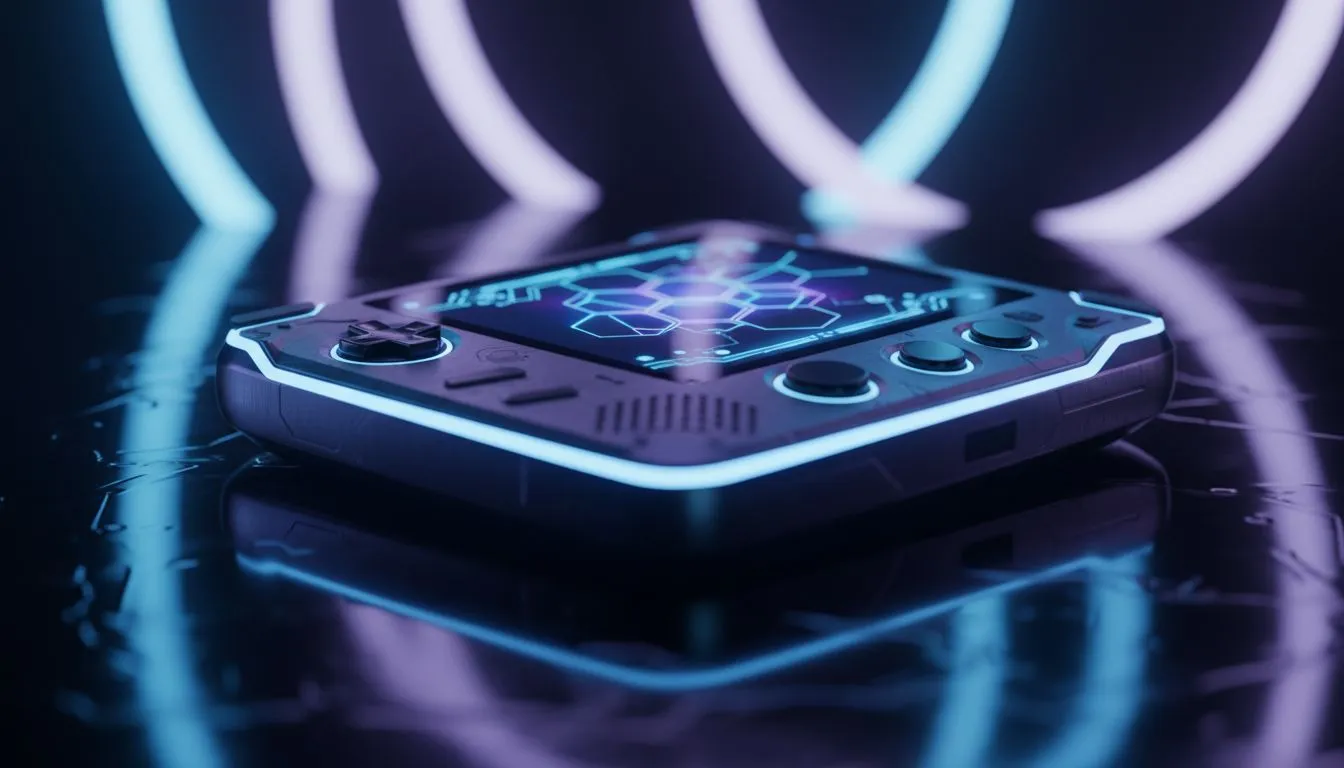
There is a unique satisfaction in cracking a difficult logic puzzle or slotting that final block into place. But in 2025, you don't need to be tethered to a desk to experience that "aha!" moment. The best devices for puzzle games are now portable, powerful, and ready for action.
The Revolution of Portable Play 🚀
Gone are the days when mobile gaming meant struggling with clumsy touchscreen controls on a smartphone. For serious puzzle enthusiasts who enjoy titles ranging from Portal to Tetris Effect, tactile feedback is non-negotiable. This is where the new wave of versatile handheld gaming consoles shines.
These devices run full Windows operating systems, giving you access to your entire Steam or Epic Games library. You aren't limited to "mobile versions" of your favourite brain-teasers; you get the full PC experience in the palms of your hands.
Screen Real Estate Matters
When you are scanning a scene for clues in a hidden object game or managing complex logistics in a sim-puzzle hybrid, screen size is king. You don't want to squint at crucial details.
For those who prioritise display quality, Lenovo's portable powerhouse offers a massive 8.8-inch screen. The higher resolution allows for crisp text and intricate details, making it arguably one of the best devices for puzzle games that rely on visual storytelling. Plus, the detachable controllers mean you can prop the screen up on a table and relax with a coffee while you solve mysteries.
Battery Saver Pro Tip ⚡
Puzzle games rarely require 144Hz refresh rates or uncapped frame rates. To extend your battery life significantly during an unexpected outage, cap your handheld's frame rate to 45 or 60 FPS and lower the TDP (thermal design power) in the command centre. You'll get hours of extra playtime without noticing a drop in visual quality.
Ergonomics for the Long Haul
Some puzzles require hours of deep thought, and holding a heavy brick can get tiring. If comfort is your main metric, you need a device designed with weight distribution in mind.
The ASUS ROG Ally lineup is renowned for its lighter chassis and ergonomic curves. It fits naturally in the hand, making it ideal for those "just one more level" sessions that accidentally turn into three-hour marathons. The Variable Refresh Rate (VRR) screen also ensures that even simple movement animations look buttery smooth without tearing.
The Grip and Grunt
While puzzle games aren't usually graphically intensive, some modern physics-based titles need a bit of grunt under the hood to calculate interactions properly. You want a device that balances efficiency with performance.
Entering the arena with Intel's Core Ultra architecture, the MSI Claw options provide a unique alternative to the AMD-dominated market. The ergonomic grip is designed to fit a wide range of hand sizes, ensuring you don't cramp up right before you solve the final riddle. It handles multitasking effortlessly, so you can quickly Alt-Tab to a wiki if you get truly stuck (we won't tell anyone).
Why Dedicated Gear Wins
Sure, your phone can run Candy Crush, but dedicated handhelds offer immersion that phones cannot match. Physical triggers, haptic feedback, and distinct separation from your social media notifications allow you to enter a flow state. In South Africa, where entertainment needs to be flexible and often battery-dependent, investing in the right gear changes the game completely.
Ready to Solve It Anywhere?
Whether you need the massive screen of the Legion Go or the lightweight comfort of the ROG Ally, we have the gear to keep you gaming on the go. Browse our full range of handheld consoles and find the perfect companion for your next puzzle adventure.