



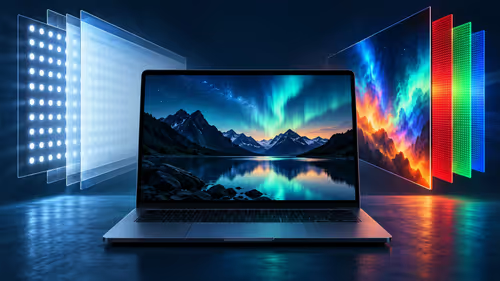
How Does PROLED Differ From Mini-LED on a MacBook Pro?
PROLED uses tandem OLED while the separate M6 MacBook Pro uses mini-LED. Compare how the panels produce light and which brightness figures Apple publishes.
Read morePROLED XDR is Apple's tandem OLED touchscreen for its new MacBook Pro. As at 29 October 2026, a separate 14-inch M5 Pro MacBook Pro with 1TB storage was listed at Evetech for R50,999.
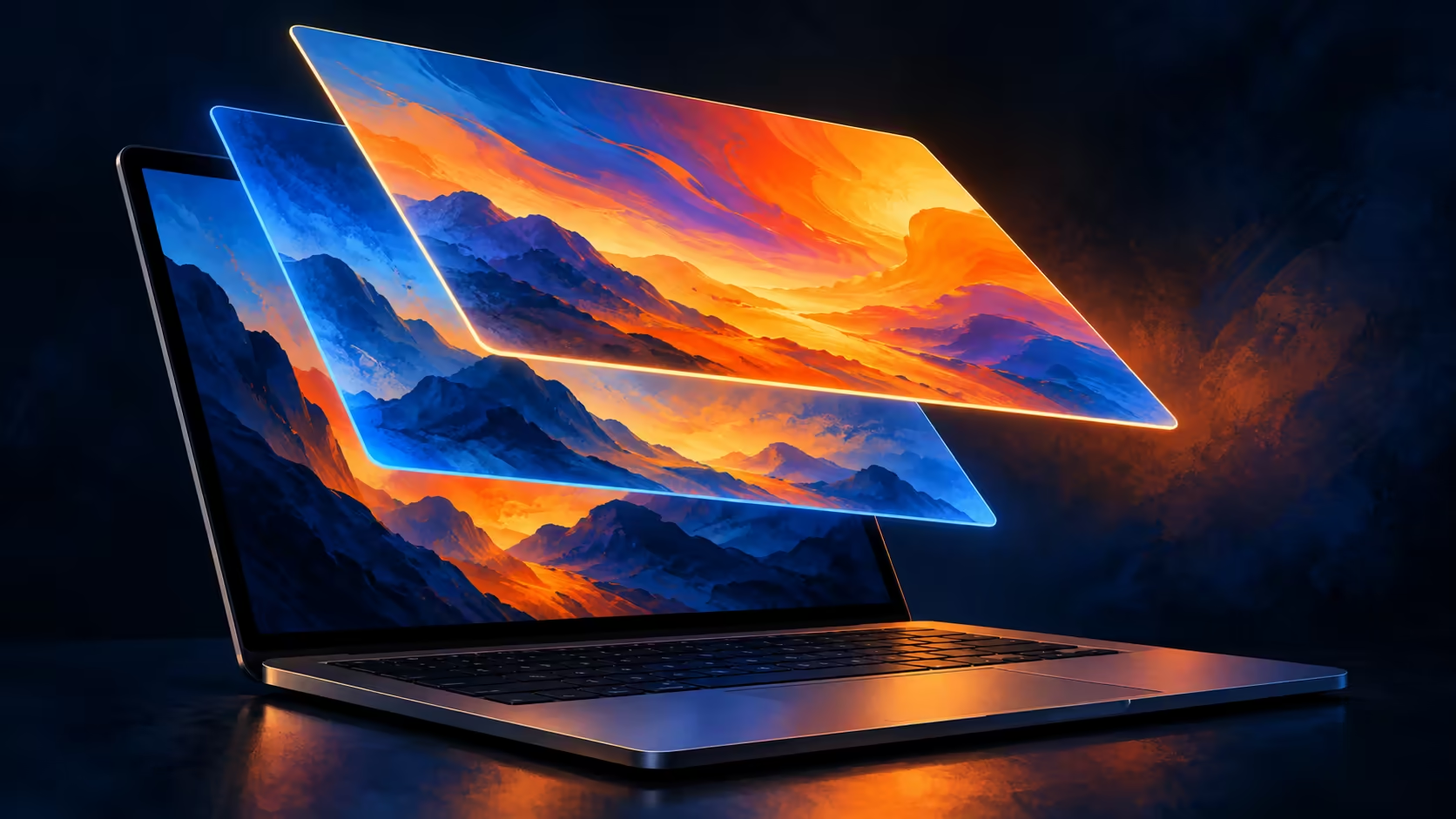
A screen can change the way a laptop feels long before you open an editing app. Apple's PROLED XDR display combines a new panel with touch input, giving South African buyers a distinct choice to weigh against current MacBooks.
PROLED XDR is Apple's tandem OLED display with touch, introduced for MacBook Pro on 28 October 2026. Apple calls the laptop MacBook Pro with PROLED XDR Display, and offers it in two sizes. As at 29 October 2026, Evetech listed the 1TB, 14-inch M5 Pro for R50,999; this earlier machine has a Liquid Retina XDR screen instead.
A tandem OLED panel stacks two self-illuminating pixel layers. Unlike a conventional LCD panel that relies on a separate backlight, the OLED layers produce the light used to form the picture. Apple says its display engine adjusts each pixel's colour and brightness while accounting for conditions including temperature and use.
That control matters in a dark scene where a small bright detail sits beside a shadow. Apple specifies a 10,000,000:1 contrast ratio for the new panel. A specification is useful for comparison, but it cannot replace seeing a screen with your own material and preferred settings.
Apple also lists P3 and Adobe RGB colour gamuts. If your work involves photos for print as well as video, those names describe colour spaces relevant to those workflows. The final result still depends on the source file, the application's colour management and the device used to view or print it.
Apple specifies up to 2,000 nits peak brightness for HDR content, and up to 2,000 nits peak SDR brightness outdoors. Its sustained full-screen figure is up to 1,000 nits. Those conditions matter: the peak is not a promise that the whole screen always stays at that level.
The panel also varies its refresh rate from 10Hz to 120Hz. Refresh rate describes how often the display can update its image, not the number of frames every application will produce. Motion can look smoother at higher rates when the content and software supply those frames.
For a larger desk display, compare the specifications of OLED monitors with your own viewing needs. An external screen has its own ports, brightness limits and colour settings; the notebook's built-in screen specifications do not transfer to it.
The new display accepts gestures including a swipe to scroll and a pinch to zoom. Apple says many existing applications can interpret a screen touch as a click, while developers can use system gesture tools for touch-specific interactions. That means basic touch may work without an app offering a full set of purpose-built controls.
Touch supplements the keyboard and trackpad. Apple describes drawing and selecting in Pixelmator Pro, playing onscreen instruments in Logic Pro, and arranging clips in Final Cut Pro. The announcement does not confirm whether an Apple Pencil or pressure-sensitive input works with this screen.
The PROLED model uses M5 Pro or M5 Max. Apple's 14-inch M6 model has a different screen called Liquid Retina XDR. The earlier locally listed M5 Pro also uses Liquid Retina XDR: a chip name alone does not identify the panel generation.
A buyer who needs a laptop now can inspect the current MacBook range at Evetech and compare the listed configuration and price. The R50,999 example is an observed catalogue price on 29 October 2026 for the earlier laptop; Apple's new touch model is a separate configuration. Prices can change.
No. PROLED XDR uses two self-illuminating OLED layers; Apple's M6 model instead has a mini-LED Liquid Retina XDR screen.
Apple specifies up to 2,000 nits peak for HDR and outdoor SDR, and up to 1,000 nits sustained full-screen.
No. Touch adds gestures to the MacBook Pro while its keyboard and trackpad remain available for familiar controls.
No. The price belongs to the earlier 14-inch M5 Pro, whose listed storage was 1TB on 29 October 2026.
Ready to compare your screen options? Explore the MacBook range and compare each model's display and configuration against the work you do.
No. PROLED XDR uses two self-illuminating OLED layers; Apple's M6 model instead has a mini-LED Liquid Retina XDR screen.
Apple specifies up to 2,000 nits peak for HDR and outdoor SDR, and up to 1,000 nits sustained full-screen.
No. Touch adds gestures to the MacBook Pro while its keyboard and trackpad remain available for familiar controls.
No. The price belongs to the earlier 14-inch M5 Pro, whose listed storage was 1TB on 29 October 2026.
PROLED uses tandem OLED while the separate M6 MacBook Pro uses mini-LED. Compare how the panels produce light and which brightness figures Apple publishes.
Read more
Apple lists P3 and Adobe RGB for the PROLED MacBook Pro. Understand what those colour spaces mean and why a file, display and final output are separate parts of a workflow.
Read more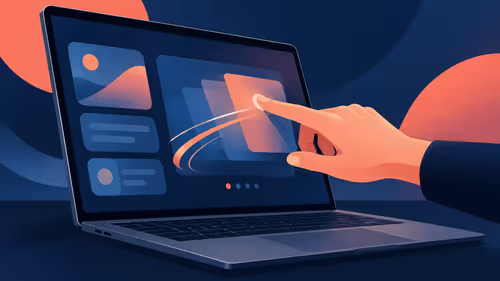
Apple describes swiping, pinching, dragging and window gestures on the PROLED MacBook Pro. Understand what each action changes before comparing a South African laptop purchase.
Read more
Apple says macOS translates touches into clicks for many existing apps on its new PROLED MacBook Pro. Learn what that does and does not establish about custom gestures.
Read more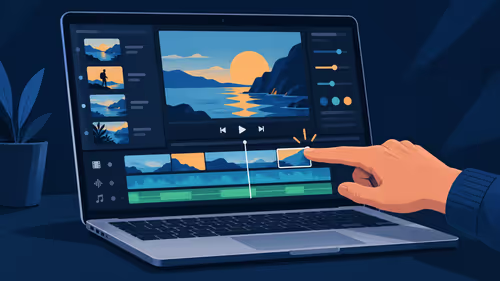
Apple describes marking ranges, moving clips and pinch zoom in Final Cut Pro on its new PROLED MacBook Pro. Compare that touch workflow with an existing M5 Pro configuration listed at Evetech in South Africa.
Read more
Touch adds gestures to the PROLED MacBook Pro while its trackpad remains available. A separate M5 Pro MacBook was listed at R50,999 at Evetech on 29 October 2026.
Read more
Edge default search engine controls searches typed in the address bar. Choose a supported search provider in browser settings, then test the address bar separately from a website search box or a new-tab page before assuming the change failed.
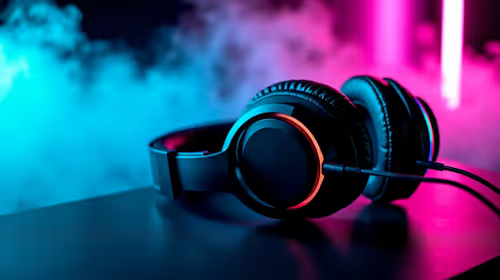
gaming headset short-list for Edenvale in - what's in needs a balanced, cautious look before buying. Compare fit, budget, workload, warranty support, and upgrade room so the choice makes sense for South African buyers.
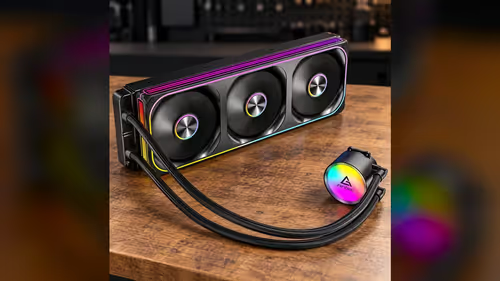
A 2700RPM pump spins its impeller 2700 times a minute to push coolant round the loop. Faster flow moves heat from the CPU block to the radiator, though a quicker pump can be a little louder. The Antec Omni Matrix 360 at R999 pairs it with an ARGB head.
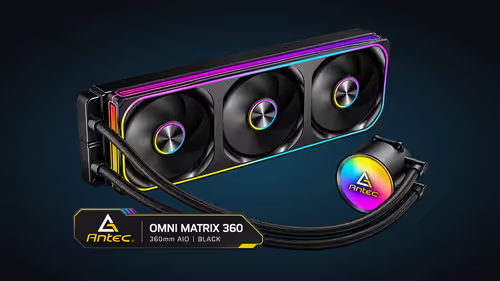
Plug the three pre-connected 120mm fans into one PWM fan header, since they run from a single cable. If the lighting has its own lead, send it to the addressable header, usually labelled ARGB. Evetech's Omni Matrix 360 at R999 follows that same plan.
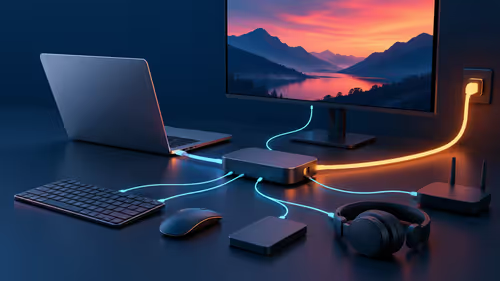
Targus DOCK402 combines a mobile dock with a built-in GaN charger. Its useful buying checks are host power negotiation, USB-C video support and the single-display limit, rather than assuming every USB-C laptop gets the maximum charging and resolution.
Edge default search engine controls searches typed in the address bar. Choose a supported search provider in browser settings, then test the address bar separately from a website search box or a new-tab page before assuming the change failed.
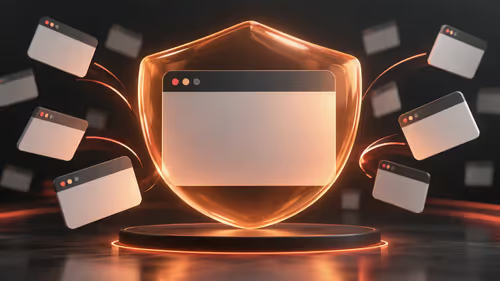
Edge block pop-ups can stop unwanted windows while permitting a trusted site that needs one. Check the exact site exception and distinguish pop-up windows from adverts inside a page and website notifications before turning off protection broadly.

Edge website notifications are controlled per site. Block the unwanted origin in browser permissions instead of muting every Windows alert, then check whether the interruption was a site notification rather than a pop-up or a message inside a page.
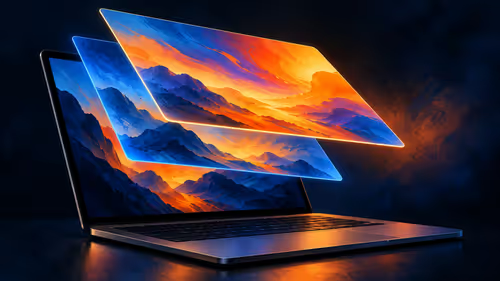
PROLED XDR is Apple's tandem OLED touchscreen for its new MacBook Pro. As at 29 October 2026, a separate 14-inch M5 Pro MacBook Pro with 1TB storage was listed at Evetech for R50,999.
PROLED uses tandem OLED while the separate M6 MacBook Pro uses mini-LED. Compare how the panels produce light and which brightness figures Apple publishes.
Apple lists P3 and Adobe RGB for the PROLED MacBook Pro. Understand what those colour spaces mean and why a file, display and final output are separate parts of a workflow.
Apple describes swiping, pinching, dragging and window gestures on the PROLED MacBook Pro. Understand what each action changes before comparing a South African laptop purchase.