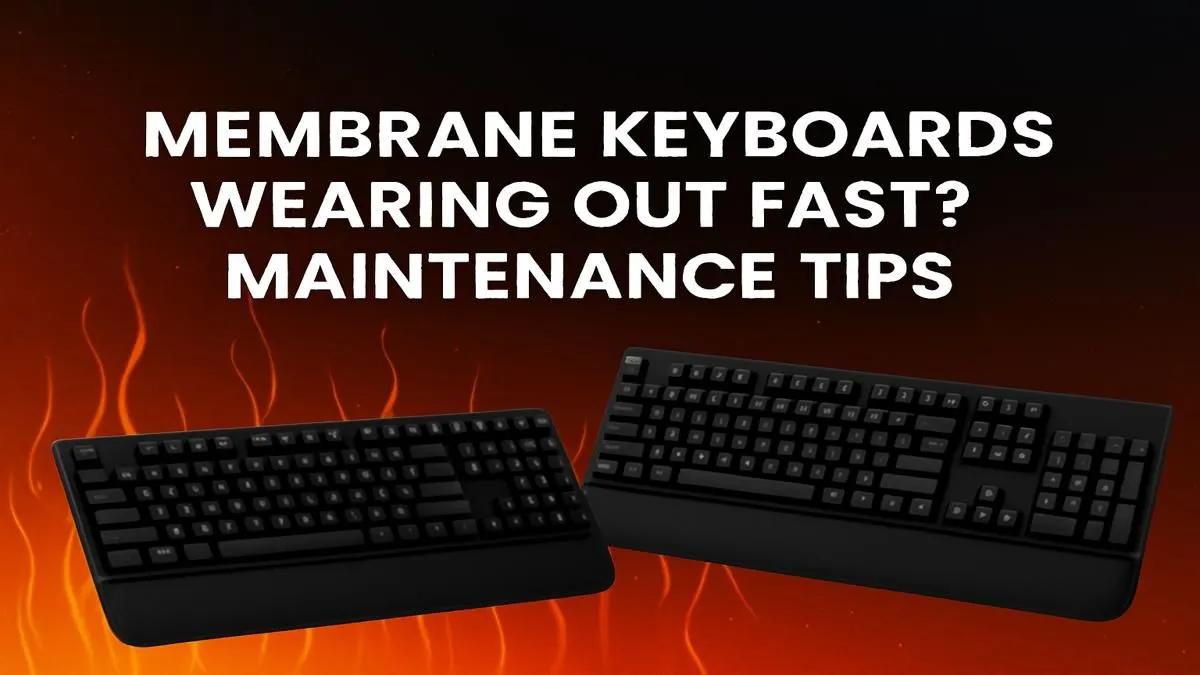
That trusty membrane keyboard has seen you through countless raids, last-minute assignments, and late-night Discord chats. But now… the W key feels a bit sticky, and there’s probably enough biltong dust under the spacebar to feed a small army. Before you toss it, know this: a little membrane keyboard maintenance can dramatically extend its life, keeping your key presses responsive and your budget happy. Let’s get that board feeling box-fresh again.
Why Membrane Keyboard Maintenance is Crucial
Unlike their mechanical cousins, membrane keyboards rely on a single rubber dome sheet under the keys. When dust, crumbs, and sticky residue get in there, they interfere with the electrical contact, leading to that dreaded “mushy” or unresponsive feeling. Proper cleaning restores that crisp actuation and prevents premature failure.
For many gamers, the value of one of the many affordable gaming keyboards in South Africa is undeniable. A simple 15-minute cleaning routine every few months ensures you get the most bang for your buck, stopping your gear from wearing out fast and saving you from a rage-inducing hardware failure mid-match.
Your Guide to Safely Cleaning a Membrane Keyboard 🧼
Ready to give your keyboard a new lease on life? Follow these simple steps for effective membrane keyboard care.
Step 1: Disconnect and Document
First things first: unplug your keyboard from your PC. Never clean any electronic device while it’s powered on. Next, snap a quick photo of the layout with your phone. You’ll thank yourself later if you decide to pop any keys off and can't remember where they go.
Step 2: The Shake and Brush
Turn the keyboard upside down over a bin and give it a gentle but firm shake. You’ll be amazed (and maybe a little grossed out) by what falls out. For the stubborn bits left behind, use a can of compressed air or a soft-bristled brush to dislodge debris from between the keys.
Sticky Note Trick ⚡
No compressed air? No problem. Grab a sticky note and run the adhesive edge between your key rows. It’s brilliant for picking up fine dust and lint that a brush might miss.
Step 3: The Surface Wipe-Down
Lightly dampen a microfibre cloth with isopropyl alcohol (or a 50/50 mix with water) and wipe down the tops of the keys and the keyboard frame. The alcohol helps cut through grease and grime without damaging the plastic. Make sure the cloth is damp, not soaking wet!
A clean keyboard is only part of an ergonomic setup. Pairing it with a comfortable wrist rest can reduce strain during those marathon gaming sessions, keeping you comfortable and competitive.
When Is It Time for an Upgrade?
Sometimes, even the best maintenance can’t save a well-used keyboard. If you’ve cleaned it thoroughly and still have unresponsive keys, or if the printed letters are completely worn away, it might be time to say goodbye.
This is a key difference from mechanical boards. With a membrane keyboard, you can't just swap out a faulty component. There are no individual keyboard switches to replace if one key dies. Similarly, while you can find amazing custom keycaps to personalise a mechanical setup, membrane options are extremely limited.
If you’re looking for a more durable, customisable, and responsive typing experience, upgrading could be your next move. You can often find excellent keyboard and mouse combos that offer a significant step up without breaking the bank. An upgrade isn't just about replacing old gear… it's about improving your entire gaming experience.
Ready for an Upgrade? While maintaining your membrane keyboard is smart, nothing beats the feel of a brand-new board. If your keys have fought their last battle, explore our great gaming keyboard deals and find the perfect upgrade to dominate the competition.