Understanding Your Motherboard’s Connectivity
If you have ever tried to host a dedicated server for your mates or noticed your ping fluctuating during a ranked match, you know that a stable connection is non-negotiable. While modern motherboards often come with decent onboard LAN, there is a massive performance gap when you look at dedicated network adapters for your desktop. The real question isn't just "do I need one," but rather "do I have the right slot for it?" 🔧
The Evolution of Expansion Slots
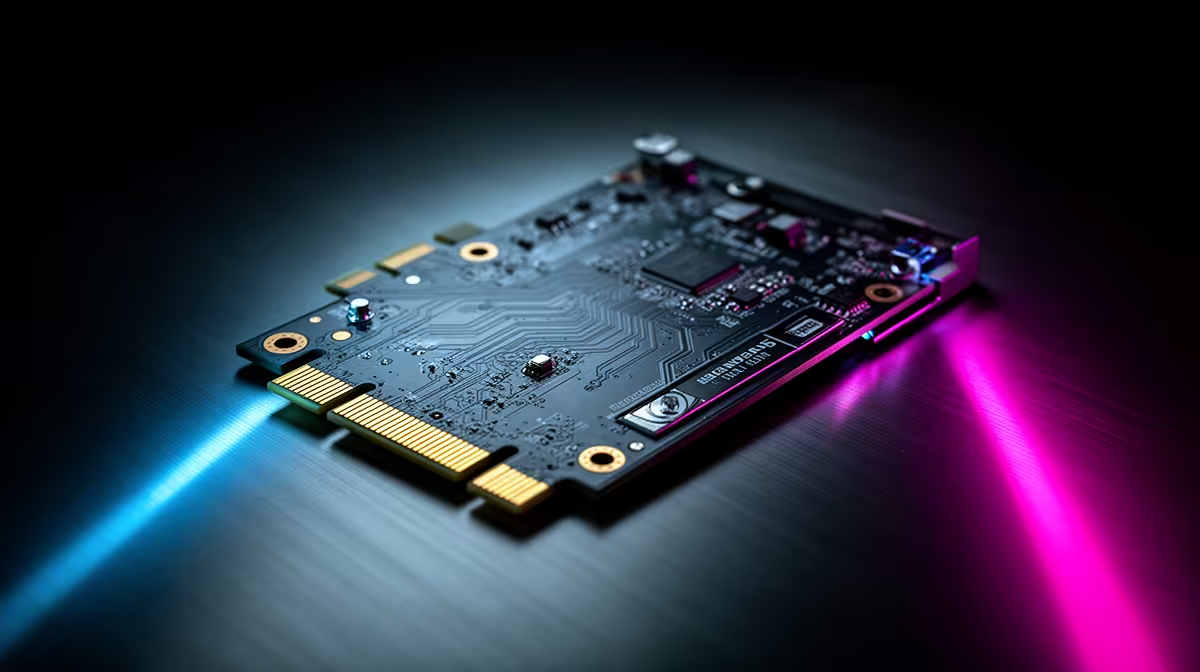
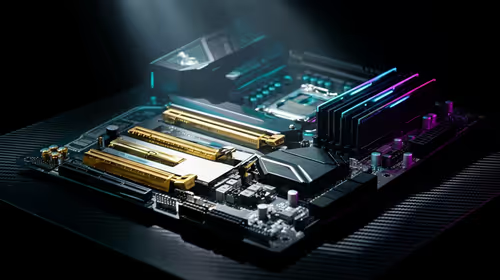
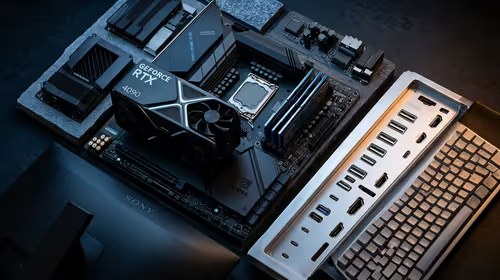
In the world of PC building, we have moved past the era of standard PCI. If you are digging through your spares bin and find an old-school, long-slotted PCI card, it is likely time to let it go. Modern gaming rigs rely on the PCIe (Peripheral Component Interconnect Express) interface, which offers significantly higher bandwidth and lower latency. When browsing for upgrades, such as high-performance TP-LINK network cards, you will notice they are designed exclusively for PCIe slots. These slots communicate directly with your CPU, ensuring that your data packets aren't bottlenecked by older, slower bus architectures.
Connectivity Pro Tip ⚡
When installing a new PCIe network adapter, try to avoid placing it directly against your GPU's intake fans. If your motherboard has a smaller x1 slot located above the graphics card, use that to ensure your GPU maintains optimal airflow and keeps your system cool during intense gaming sessions.
Choosing the Right Hardware for Your Rig
When you decide to upgrade, look for cards that support the latest standards, such as Wi-Fi 6E or 2.5Gbps Ethernet. Reliable brands like Cudy offer fantastic value for South African gamers who need consistent speeds without breaking the bank. PCIe x1 slots are the standard for these adapters, and almost every modern motherboard has at least one or two tucked away under the main graphics card slot. ⚡
Always check your motherboard manual before purchasing. If you are running a compact Mini-ITX build, you might find that your only PCIe slot is already occupied by your GPU, in which case you might need to look at USB-based alternatives or a riser cable solution. However, for the vast majority of ATX and Micro-ATX builds, a dedicated PCIe network adapter is the gold standard for reliability. 🚀
Ready to Stabilise Your Connection?
Don't let lag dictate your rank. Whether you need a high-speed Wi-Fi card or a dedicated Ethernet controller, we have the hardware to keep you in the game. Explore our massive range of network adapters and find the perfect component to upgrade your rig today.