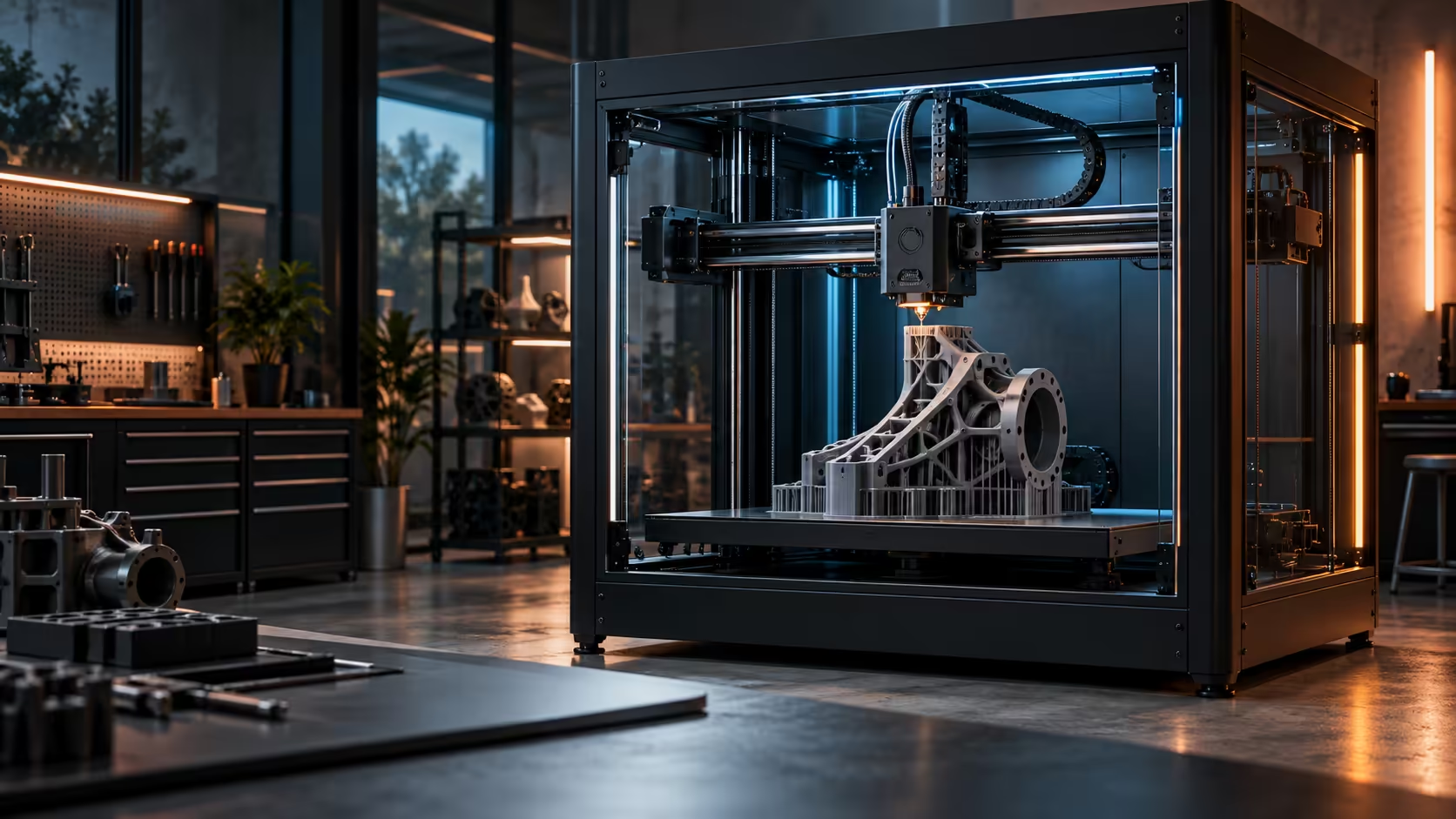
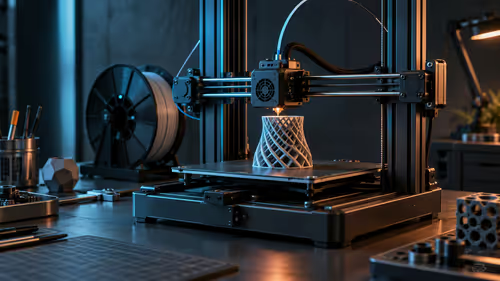
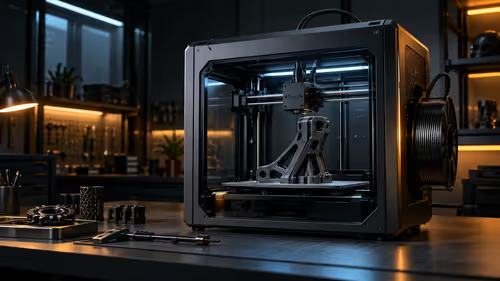
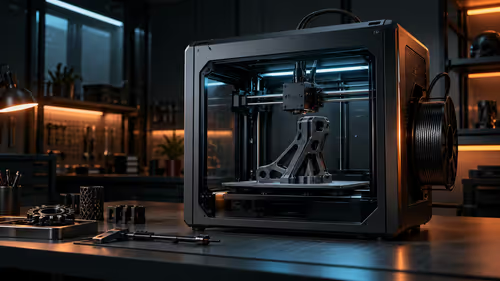
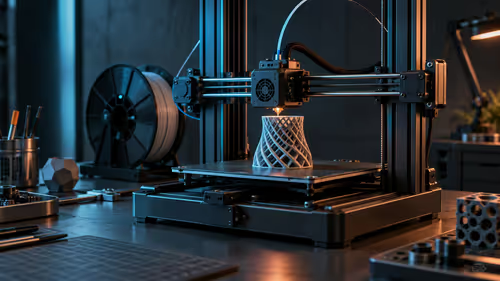
A plate measured at 300 x 300 x 300mm is a cube of possibility until you translate it into actual objects. A 3D printer build volume this size is best understood through what stops needing to be cut in half, not through the raw number itself.
Quick Answer
A 300mm cube holds a full-size helmet shell in one piece, a 280mm decorative vase, a drone frame printed whole rather than in sections, or a tray of sixteen small brackets in a single run. The number that actually matters is not the volume itself but which of your usual projects stop needing a seam line, and at R13,999 the Creality K1 Max covers most household and workshop parts without that compromise.
🪖 Single-piece parts that usually get split
A lot of common projects are designed around the assumption of a smaller printer and end up split into two or three pieces purely to fit a plate, then glued back together afterwards. A costume helmet, a large planter, a speaker enclosure or a full-height desk organiser are all things that typically fit whole inside 300mm on a side.
Printing whole rather than in sections removes the seam line entirely, which matters most on anything visible, cosplay props especially, where a glue joint is the first thing a close-up photo reveals.
🚁 Functional parts that need the extra room
A drone frame, a robotics chassis or a jig for a workshop tool often needs more length than height, and 300mm of usable length in one direction covers most designs in this category without redesigning them around a smaller plate. Functional parts also tend to be simpler shapes than cosplay props, which makes fitting them whole even more straightforward.
🔢 Batches: trading height for count
The same 300mm plate that holds one tall part can instead hold sixteen small ones laid flat side by side. Whether that trade makes sense depends on the job: a single large enclosure wants the plate used for height, while a batch of sixteen brackets wants it used for floor area, and knowing which one your project needs before you start slicing saves a wasted layout attempt.
The model kits shelf is worth a browse purely for scale reference the first time you are stretching a design out to fill a plate this size, check the resin printing range separately for small, highly detailed parts where accuracy matters more than the size of the plate, and compare the rest of the 3D printer range if this specific plate size still is not quite what a project needs.
Frequently Asked Questions
What is the biggest single item this build volume typically handles?
A full costume helmet, a large planter or a similar single object up to roughly 280 to 300mm on its longest side.
Is it better to print a large part in one piece or split it?
Whole where the plate allows it, since that removes the seam line and the assembly step; split it only when the design genuinely needs to come apart.
How many small parts fit in one batch on this plate?
Around sixteen at roughly 60mm each, depending on their exact shape and how tightly they are nested.
Does a bigger build volume always mean a better printer?
No, it only helps for projects that actually need that size; smaller, detailed work benefits more from accuracy and monitoring than from raw plate size.
Tired of gluing prints together because your old printer was too small?
Check what actually fits whole on a 300mm plate before redesigning another part into pieces.