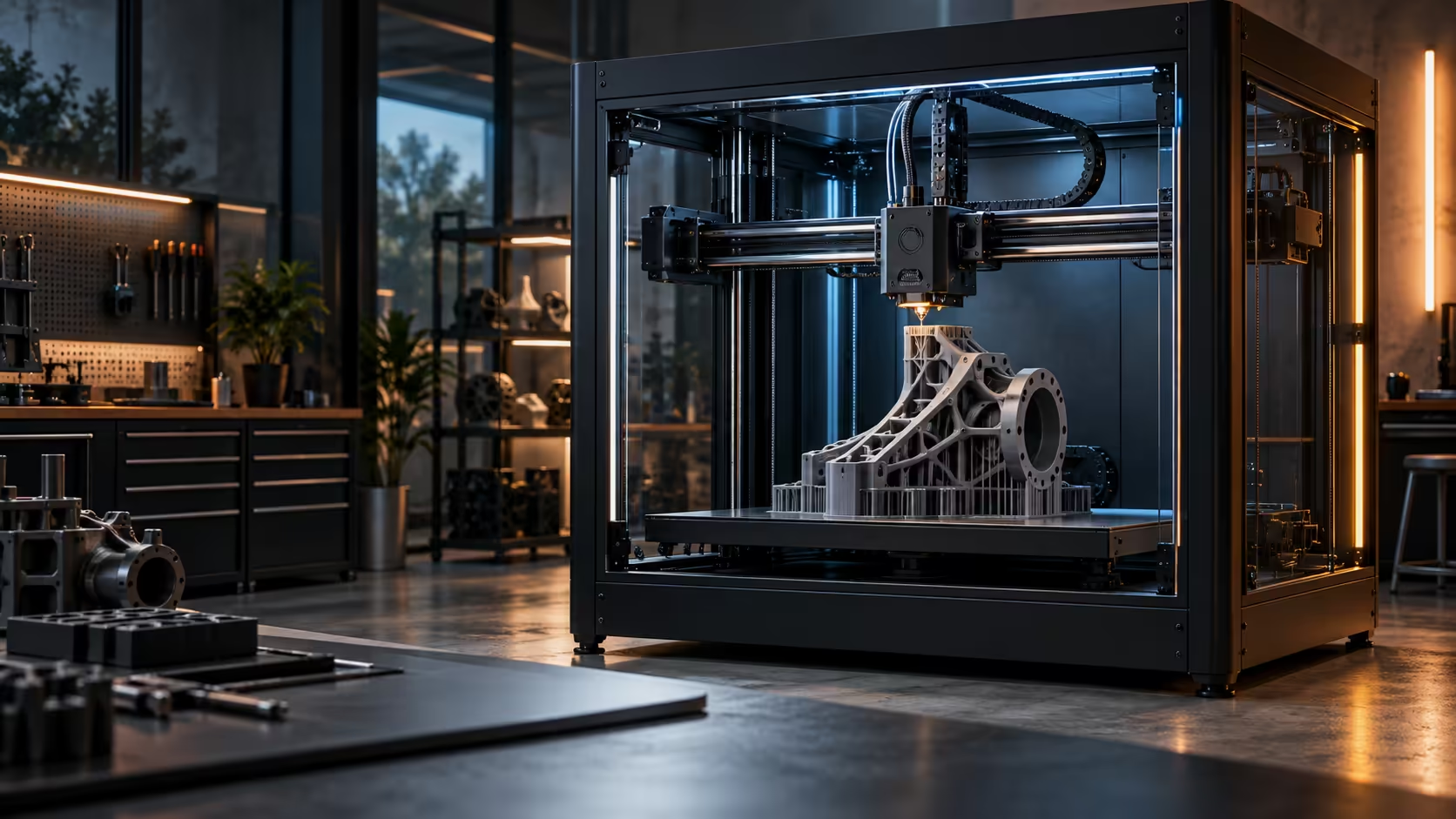
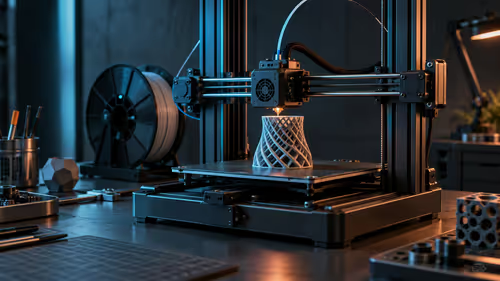
A nozzle rated to a specific temperature is really describing a material list, not a single number worth remembering on its own. A 300C hardened steel nozzle opens a door to filaments that a standard 250C brass tip simply cannot process.
Quick Answer
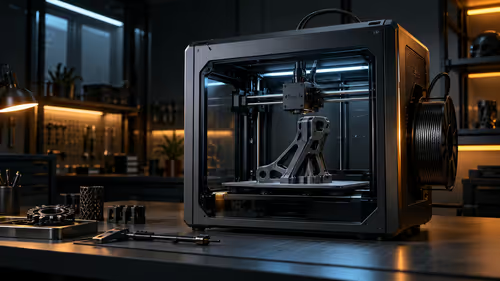
A 300C hardened steel nozzle prints nylon, polycarbonate blends, carbon-fibre reinforced filament and high-temperature PETG, all of which need heat that a lower-rated hotend cannot supply. Heat is what gets these materials flowing properly, and hardened steel is what survives the abrasive fillers that ride along inside several of them. That pairing sits behind the 300C tip on the Creality K1 Max, at R13,999.
🧬 Nylon and why it wants the heat
Nylon needs high temperatures to flow smoothly and bond well between layers, and printing it below its ideal range tends to produce weak, brittle parts rather than the tough, impact-resistant ones the material is chosen for in the first place. A 300C ceiling gives enough headroom to run nylon properly rather than compromising the settings to fit a lower-temperature nozzle.
🛡️ Polycarbonate blends: heat and dimensional stability together
Polycarbonate and PC blends typically print between 260C and 300C and reward a stable hotend that holds that temperature consistently rather than drifting during a long print. Parts made from this material tend to be chosen specifically for heat resistance and toughness, so getting the printing temperature right matters more here than it does with a forgiving material like PLA.
💎 Carbon fibre and high-temp PETG: where hardness matters as much as heat
Carbon-fibre reinforced filament needs both the heat to flow and a wear-resistant nozzle surface, since chopped fibre grinds a soft metal like brass out of shape within a small number of spools. High-temperature PETG variants sit slightly below full carbon-fibre demands but still benefit from the extra thermal headroom a 300C-rated nozzle provides over a standard one.
Match the material to the machine before buying a spool, since a nozzle rated below what a filament needs will underperform regardless of how good the rest of the printer is. Browse the full 3D printer range if a current machine's nozzle ceiling is limiting your material choices, and check filament options directly against the temperature your nozzle can actually sustain, and see the resin range for detail work where these engineering filaments are not the right tool anyway.
Frequently Asked Questions
Can a 300C nozzle also print PLA and PETG normally?
Yes, a higher temperature ceiling does not prevent printing lower-temperature materials, it simply adds the option of higher-temperature ones as well.
Does nylon really need a hardened nozzle, or just heat?
Plain nylon is not especially abrasive, so heat matters more than hardness there; hardness becomes essential once fibre-reinforced blends enter the picture.
Is high-temperature PETG the same as standard PETG?
No, high-temperature variants are formulated to withstand more heat after printing and often print at a higher nozzle temperature than standard PETG.
What happens if I print carbon fibre filament on a brass nozzle anyway?
The abrasive fibres wear the orifice wider within a small number of spools, causing extrusion width and dimensional accuracy to drift noticeably.
Ready to print materials your current nozzle cannot handle?
Match the temperature rating and hardness to the filament before buying the spool.