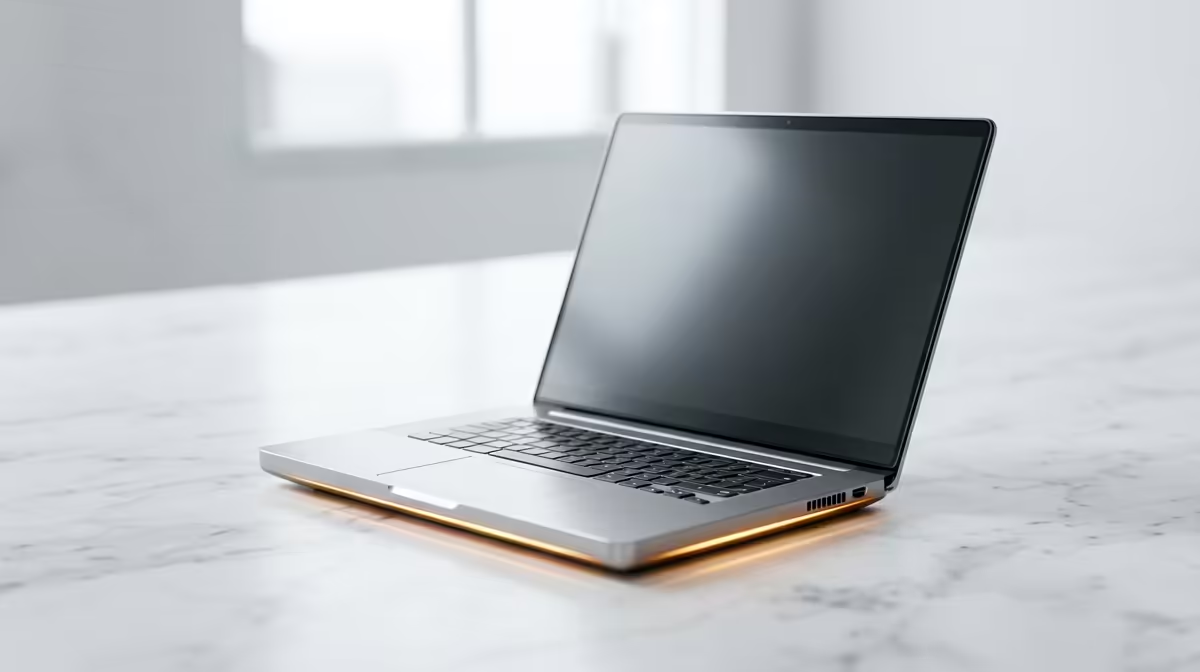
That sinking feeling... you're minutes away from a deadline, and your screen flashes an angry blue. The dreaded Blue Screen of Death (BSOD) has struck again, bringing your productivity to a screeching halt. For South African professionals, this isn't just an annoyance; it's a critical failure. But don't panic. This guide provides a clear, no-nonsense blue screen error fix to get your corporate laptop back in the game and help you decide when it’s time for an upgrade.
Understanding the Blue Screen of Death
So, what exactly is happening when your screen turns blue? A BSOD is Windows' way of saying it has encountered a "STOP error"—a problem so severe it has to shut down completely to prevent damage to your system. Think of it as a digital emergency brake.
The causes can range from simple software glitches to serious hardware failures. Common culprits include:
- Corrupt Drivers: The software that lets your hardware (like a graphics card) talk to your operating system.
- Failing Hardware: Issues with your RAM or hard drive are frequent offenders.
- Software Conflicts: A newly installed application might not be playing nicely with your system.
- Overheating: Pushing your laptop too hard without adequate cooling can cause instability.
Your First Steps for a Blue Screen Error Fix
When the blue screen appears, your first instinct might be frustration, but your first action should be observation. The screen isn't just blue; it contains vital clues.
Note the Error Code
Look for a line of text that says "STOP CODE". This code (e.g., CRITICAL_PROCESS_DIED or MEMORY_MANAGEMENT) is your best starting point. A quick search for that specific code will often point you directly to the cause. After you've noted it down, a simple restart is often enough to get you going again, but it doesn't solve the underlying issue. If crashes persist, it could be a sign that your machine is struggling to keep up with modern demands, where even our entry-level laptop specials offer a huge leap in stability.
Undo Recent Changes
Did the errors start after you installed a new program or updated a driver? Windows has a built-in feature called System Restore. It allows you to roll your system's state back to a time before the problem began, without affecting your personal files. Just search for "Create a restore point" in the Start Menu to find and run the utility.
System Integrity Check 🔧
If you suspect a Windows file might be corrupted, you can use a built-in tool to check. Open Command Prompt as an administrator and type sfc scannow. This command will scan all protected system files and replace corrupted files with a cached copy. It's a powerful first step in any BSOD troubleshooting process.
Diving Deeper: Common Causes and Solutions
If a simple reboot or system restore doesn't provide a lasting blue screen error fix, it's time to dig a little deeper.
Update Your Drivers and Windows
Outdated drivers are one of the most common causes of system instability. Ensure your Windows operating system is fully updated, as these updates often include crucial driver and security patches. For graphics and chipset drivers, it's best to go directly to the source. Modern systems built around the latest Intel laptops on special often have dedicated support software that keeps these critical components optimised.
Check Your Hardware
Faulty hardware can be tricky to diagnose. A good starting point is the Windows Memory Diagnostic tool (search for it in the Start Menu) to check your RAM for errors. Similarly, persistent crashes can signal a failing hard drive or SSD. While these components can be replaced, the stability and efficiency of new hardware, like that found in powerful AMD laptops on special, provide peace of mind that a repaired older machine simply can't match.
When is a Fix Not Enough? ✨
There comes a point where the time and money spent fixing an old, unreliable laptop outweigh the cost of a new one. Constant blue screens mean lost productivity, missed deadlines, and endless frustration. If your corporate laptop is more than a few years old and struggling with today's software, you're fighting a losing battle.
For power users in creative or technical fields, a standard corporate machine might not cut it anyway. If your work involves video editing, 3D modelling, or running complex simulations, upgrading to one of the best gaming laptop deals can be a smart business move. They offer superior processing power, dedicated graphics, and advanced cooling systems designed to handle intense workloads without breaking a sweat.
Tired of the Blue Screen Blues?
Constant crashes are a sign. Your laptop is telling you it's time for an upgrade. Stop losing productivity and explore our massive range of laptop specials to find a reliable, powerful machine that just works.