Understanding the Speed: What's the Fuss About Gen 5?
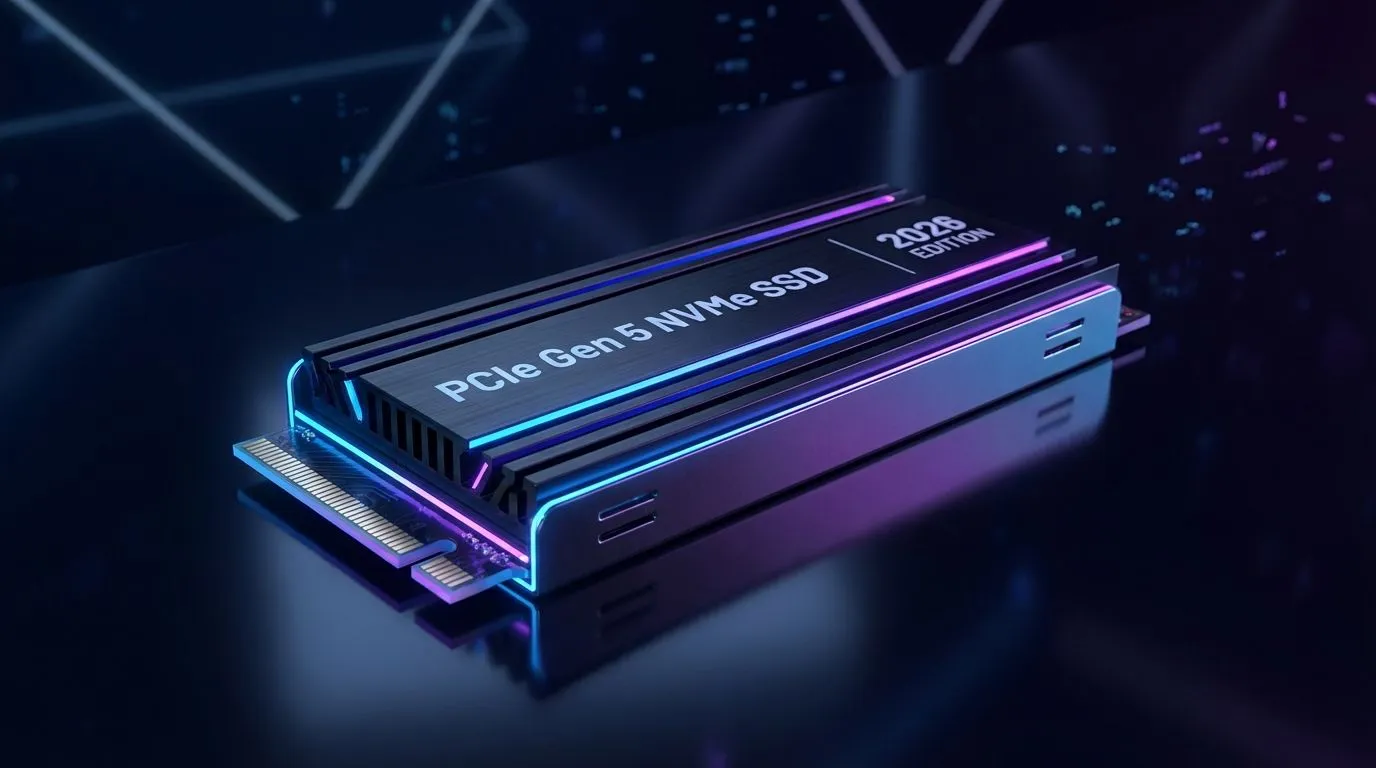
You’ve seen the numbers online, and they look insane. A PCIe Gen 5 SSD promises sequential read speeds that can push past 14,000MB/s. To put that in perspective, that’s roughly double the theoretical maximum of the already blazing-fast Gen 4 drives many of us use. This leap in performance comes from doubling the bandwidth available to the drive. 🚀
For gamers, the most exciting application is Microsoft's DirectStorage technology, which allows the GPU to pull game assets directly from the SSD, bypassing the CPU. This can drastically slash loading times. While Gen 4 drives also support this, the sheer throughput of a future PCIe Gen 5 SSD in 2026 could make loading screens a distant memory. This is the next evolution for high-speed PCI Express (NVME) drives and the technology that will power next-gen experiences.
The Big Question: Is a 2026 Upgrade Worth It? 🤔
This is the million-rand question. While the performance leap is undeniable, timing your upgrade is crucial for getting the best value for your money. Let's weigh the options.
Why Waiting for a 2026 Gen 5 SSD Might Be Smart...
Early adoption always comes at a premium. The first wave of Gen 5 drives run hot, require beefy heatsinks (sometimes with active fans), and carry a hefty price tag. By 2026, the technology will be more mature, controllers will be more efficient, and prices will have settled. More importantly, games and applications will be better optimised to actually use that speed. For now, you can see what the bleeding edge looks like by checking out the early Gen 5 (NVME) options already on the market.
...And Why Upgrading Now Makes More Sense for Most
Here’s the reality for South African gamers: the real-world difference between a top-tier Gen 4 SSD and an early Gen 5 SSD in today's games is often just a second or two. For the significant price difference, that money is almost always better spent on a more powerful GPU or CPU. A quality Gen 4 NVMe drive offers phenomenal performance that will feel instantaneous for years to come, making one of our current solid state drives the smarter play. You can find incredible value from trusted brands like ADATA, the ever-reliable offerings from Western Digital, or performance-focused models from Kingston.
Check Your Motherboard's Specs! 🔧
Before you buy any NVMe SSD, check your motherboard's manual or product page. Look for the "M.2 Slot" specifications. It will tell you if your slots support PCIe Gen 3, 4, or 5. Plugging a Gen 4 drive into a Gen 3 slot will work, but it will be limited to Gen 3 speeds, leaving performance on the table!
Beyond Gaming: Who Actually Needs a PCIe Gen 5 SSD Today?
While the PCIe Gen 5 SSD 2026 upgrade path is the future for gaming, there's a group of professionals who can benefit from the speed right now. We're talking about 8K video editors, 3D animators, and data scientists. For these users, time is literally money.
When your workflow involves scrubbing through massive 100GB+ video files or compiling huge datasets, every second counts. The ability to load, save, and transfer these enormous files at over 10GB/s is a massive productivity boost. This is especially true when transferring project files between machines, where a high-speed external SSD is essential. Having a portable drive with an External form factor capable of lightning-fast transfers can save hours on a tight deadline. For these power users, the investment in Gen 5 can pay for itself.
For everyone else? The current Gen 4 sweet spot offers more than enough power to keep you at the top of your game without breaking the bank. The future is fast, but the present is fantastic value. ✨
Ready to Obliterate Load Times?
While the PCIe Gen 5 SSD 2026 upgrade is tempting, the sweet spot for performance and price in South Africa is right now. A top-tier Gen 4 NVMe drive will transform your gaming and productivity. Explore our massive range of SSDs and find the perfect speed boost for your rig today.