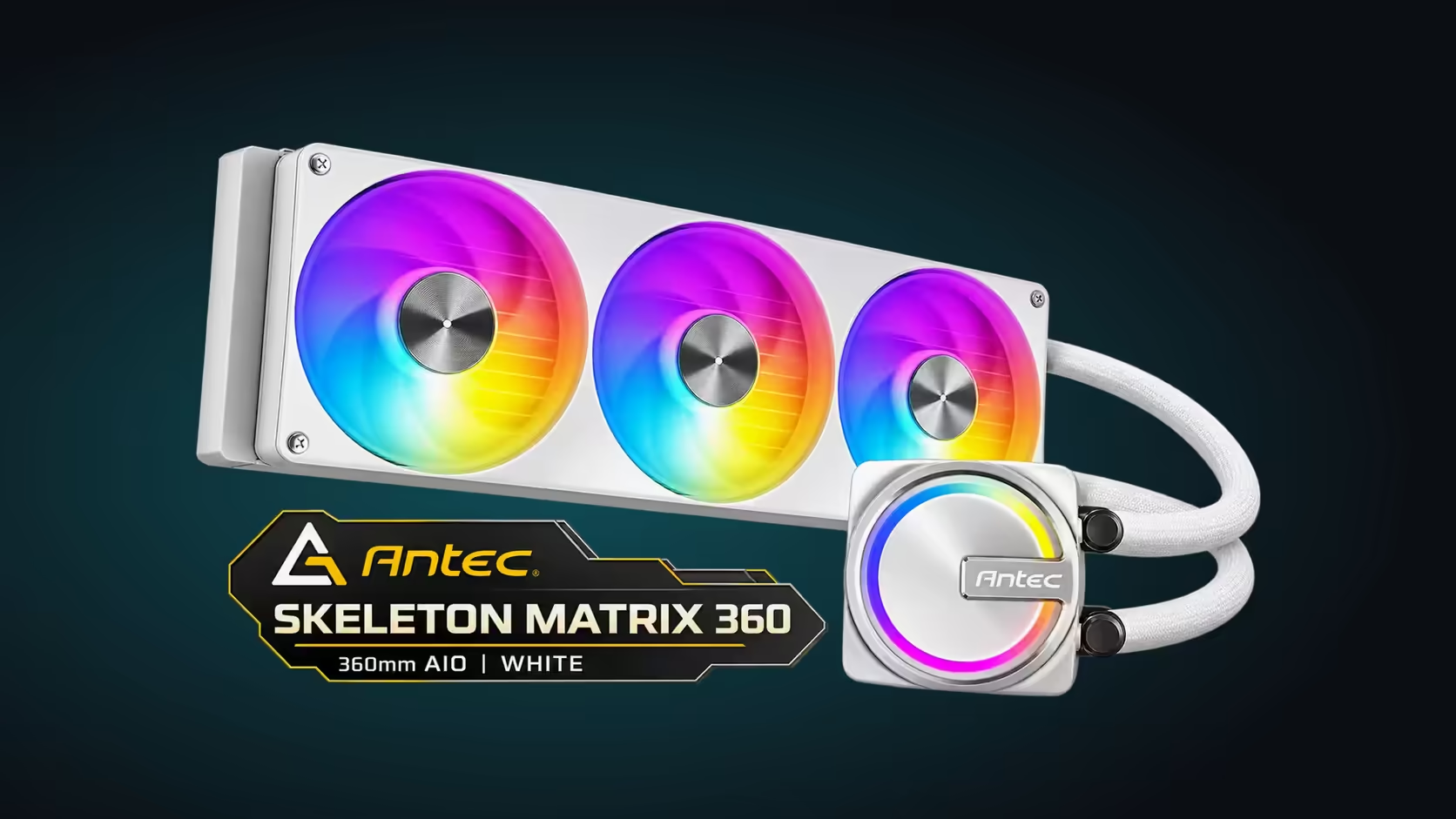
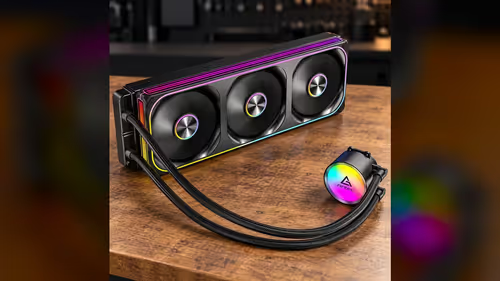
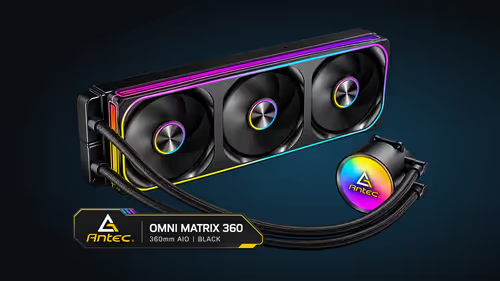
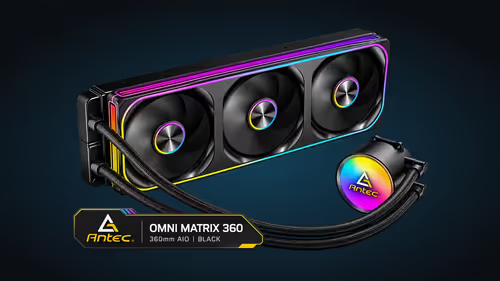
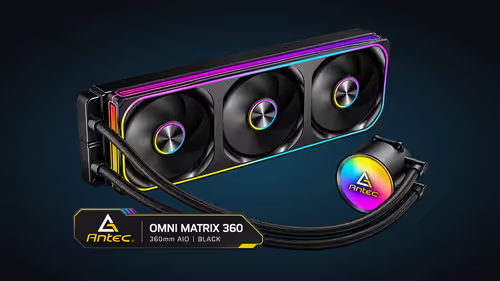
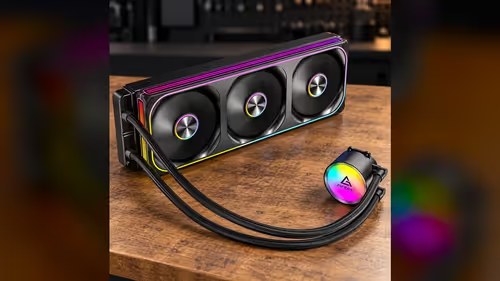
The base plate is the one metal part of an AIO that touches the processor, so it does more work than its size suggests. Most coolers use copper for that job, and some use aluminium to keep costs and weight down. The difference matters in how fast heat leaves the processor and how well the cooler copes with a warm room. This guide explains what each metal does, what the numbers look like, and how the Skeleton Matrix 360 White's copper plate fits into a build.
Quick Answer
Copper conducts heat faster than aluminium, at roughly 400 W/mK, well ahead of 230 W/mK, so a copper base plate spreads the processor's heat more quickly. Aluminium is lighter and cheaper to make. The copper plate on the Skeleton Matrix 360 White sits under a cooler priced at R1,199 including VAT.
🔥 Why conductivity matters at the base plate
A base plate has one job: take heat from the processor and pass it into the loop. The metal's thermal conductivity decides how quickly that heat spreads across the plate before the coolant carries it away. Copper's conductivity is roughly 400 W/mK, while aluminium sits near 230 W/mK. That gap means copper moves heat through the plate about 1.7 times as fast as aluminium, which helps keep hot spots from forming under the processor's hottest cores.
The difference is most useful under sustained load, when the processor stays busy for long periods. A short burst of heat is absorbed by almost any plate. A long gaming session or a render that runs for an hour puts constant heat into the plate, and that is where copper's extra conductivity pays off.
⚖️ Weight, cost and the trade-offs you accept
Copper is denser than aluminium at about 8.96 g/cm3 against 2.70 g/cm3, and that gap shows up in weight and in cost. A copper plate adds weight that the processor mount has to carry, and it costs more to manufacture. Aluminium is lighter and easier to machine, which is why many budget coolers use it. Neither metal is wrong for every build, but the copper plate is the stronger choice when the processor runs hot for long periods.
Weight matters most in a small case where the cooler hangs off the motherboard. A heavy plate does not change the mount on its own, but a cooler that is well balanced on the processor sits flatter and makes better contact. Check that the mount holds the cooler level before you tighten it down.
🧴 Contact is what the metal cannot fix
A copper plate only works as well as its contact with the processor. Paste fills the microscopic gaps between the plate and the spreader, and a thin, even film works best. Start with a small dot of paste, about the size of a pea, at the middle of the processor, and the mount spreads it as you tighten. Two rounds of tightening, snug first and then firm, give the paste time to settle into the gaps before the full load is applied.
Tighten the mount in a cross pattern, a little at a time, so the plate does not tilt. If you ever reseat the cooler, clean the old paste off with 90% isopropyl alcohol and a lint-free cloth first, because leftover paste traps a layer of air that the new paste cannot fill. An uneven mount leaves one edge of the plate with a gap, and that gap raises the processor temperature no matter which metal you choose. Once the cooler is mounted, check the temperature under load. A high reading from a copper plate often points to the mount or the paste, not the metal.
🌡️ What the copper base plate means in a South African room
In a warm room, the base plate has to move a larger amount of heat before the radiator and fans can take over. On a January afternoon in a room without aircon, the air around the radiator can sit between 27C and 30C. At roughly 400 W/mK, the copper plate keeps the processor side moving heat even while the radiator works harder in that warm air. The plate does not cool the room, but it keeps the heat path open.
Dust is a separate concern. Highveld dust can settle on the radiator fins and on any gap between the base plate and the processor's cooler mount. Keep the cooler clean when you service the case, and check the mount if the temperatures creep up over several months.
💸 What R1,199 gets you with a copper plate
The copper plate is the part of this cooler that touches the processor, and the R1,199 price including VAT covers it along with the loop it feeds. Heat enters the loop at that plate, so it is the first link worth judging.
Compare coolers on the full path the heat takes, from the plate to the pump to the radiator and out through the fans. A copper plate with a small radiator or slow fans will not beat a well-matched system. The plate is one link in the chain, and the Skeleton Matrix 360 White's 360mm radiator and 800 to 2400RPM fan range supply the rest.
The CPU coolers category puts AIO and air coolers on one page beside the thermal solutions range stocks the paste and related parts that make the contact work.
🛠️ How to check the plate after you install it
After installation, run a load test for 15 minutes and watch the processor temperature. A steady reading that stays within the cooler's expected range suggests the plate is seated well. A reading that climbs quickly and does not settle usually points to the contact, so loosen the mount, clean the old paste and reapply a fresh, even dot before you try again.
Check the mount once a few weeks after building, too. Thermal paste can settle as it warms and cools, and a mount that was tight at the start can loosen slightly. A quick check keeps the plate in full contact with the processor for the long run.
Frequently Asked Questions
Is a copper base plate always better than aluminium?
It conducts heat faster, which helps under sustained load. The overall cooling still depends on the radiator, the fans and how well the plate contacts the processor.
How much faster does copper move heat?
Copper's thermal conductivity is roughly 400 W/mK, while aluminium manages around 230 W/mK. That is around 1.7 times the conductivity, which spreads heat more quickly across the plate.
How much thermal paste should I use?
Start with a small dot of paste, about the size of a pea, at the middle of the processor. The mount spreads it when you tighten the cooler, so you do not need to cover the whole surface.
Does the Skeleton Matrix 360 White use a copper plate?
Yes. The cooler uses a copper base plate and pairs it with a 360mm radiator, a 2800RPM pump and a single-frame ARGB fan at R1,199 including VAT.
Ready to pick a cooler with a copper base plate?
Browse Evetech's CPU cooler range and the thermal solutions category, then check the mount for your socket before you order.