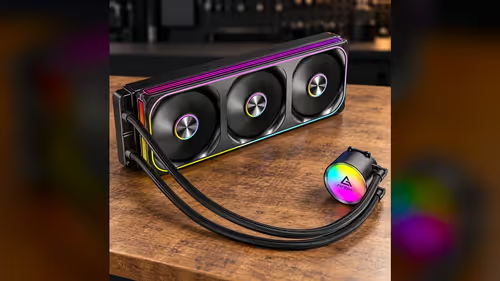
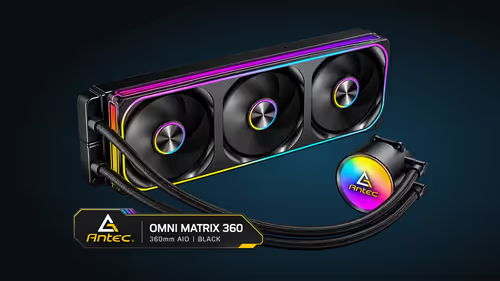
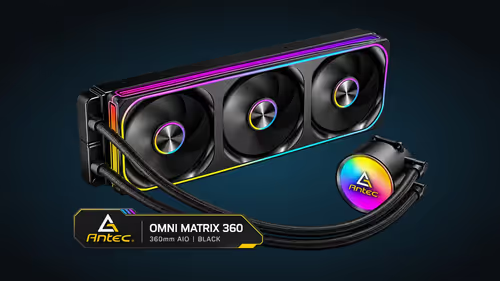
The name IIR-EPDM tells you what the tube is made from, but it does not tell you how the tube bends, how it routes around a fan or whether it will fit the path in your case. Those three questions decide whether a loop goes together cleanly, and they are the ones this guide answers. Material, bend behaviour and compatibility are separate questions, so each one gets its own section below, with the measurements that answer it.
Quick Answer
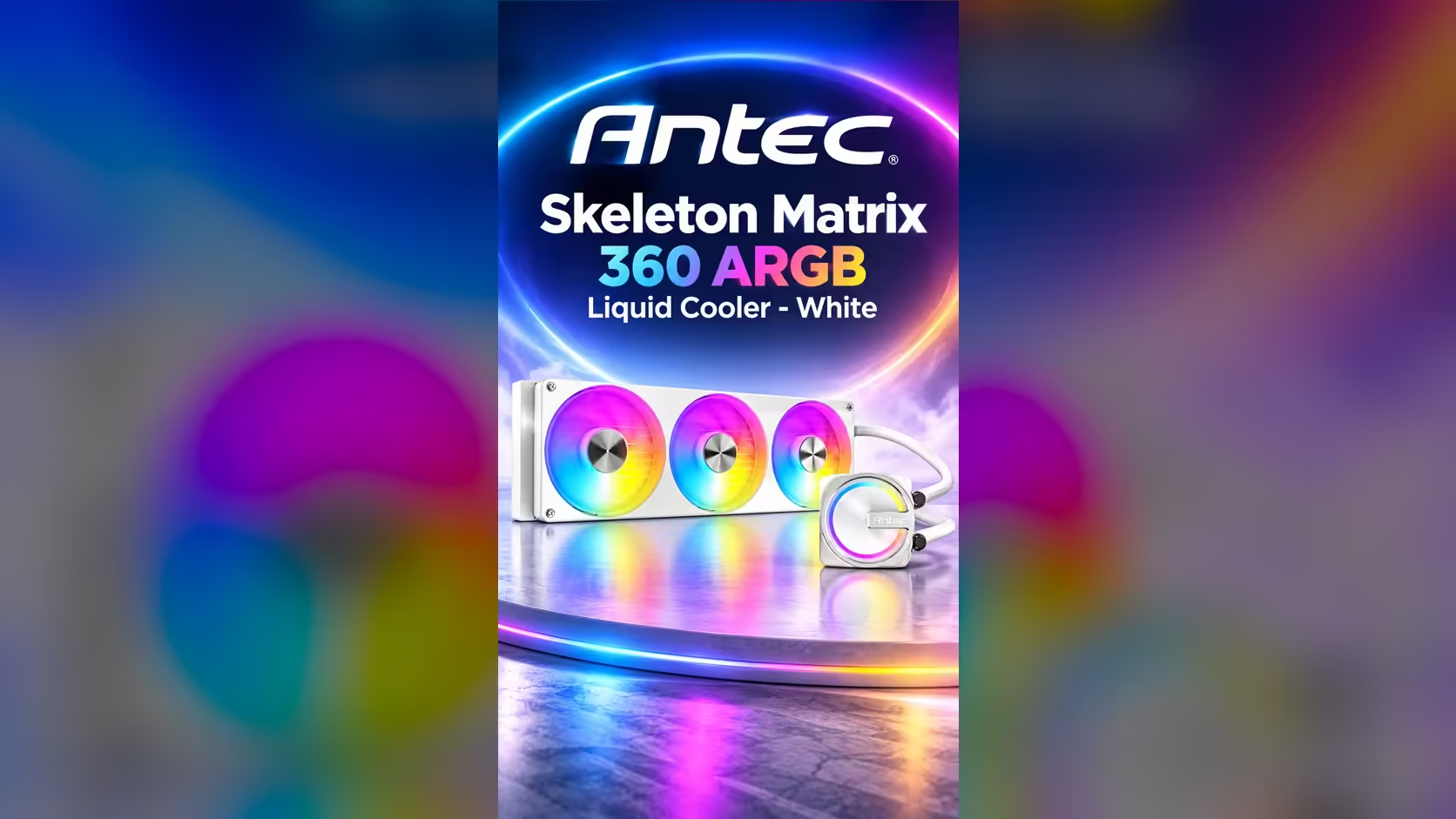
The IIR-EPDM blend is picked to keep coolant from seeping out. How a tube bends depends on the wall thickness and the tube path, not on the material name alone, so measure the route in your case. This unit carries IIR-EPDM tubing at R1,199 including VAT.
🧪 The material and what it is for
IIR is butyl rubber and EPDM is a synthetic rubber, and the blend is chosen for low coolant loss. That is the purpose of the tubing and the main reason the material is named on the cooler. The material does not tell you how stiff the tube feels in the hand or how tight a bend it will take.
A loop holds its coolant only as long as the tube does its job. Over 5 years of service, a tube that lets fluid through slowly keeps the loop topped up, while a leaky tube drains it. That is the question the material answers.
🔄 Bend behaviour is a routing question
How easily a tube curves and holds its shape is a routing question. It depends on the wall thickness, the outside diameter and the way the tube is made. Two tubes of the same material can bend differently if their walls differ, so the material name alone does not settle how a tube routes.
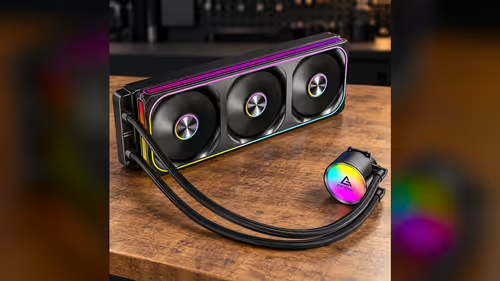
Most AIO tubing is around 14mm in outside diameter. A bend radius under about three times that diameter, roughly 42mm, risks a kink, and a kinked tube restricts flow in the loop. Plan every bend with that figure in mind rather than forcing the tube around a corner.
Keep the tube clear of fan blades and sharp edges. A tube that rubs against a fan frame will wear through over time, and a worn tube is a loss waiting to happen.
📐 A worked route example
Take a front-mounted 360mm radiator and a processor 40cm away from it along the case. Measure the straight run first, then add the bends. Suppose the route has two 90-degree bends with a 50mm bend radius each. Each bend clears the roughly 42mm minimum, so the tube keeps its bore, and the total route length is the straight run plus the two arcs.
If a bend radius comes out under 42mm, change the route rather than the tube. Move the pump, shorten the run or reposition the radiator. A tighter route is always the one that kinks. Re-measure the route after each change, because moving one bend often shifts the others.
🧩 Compatibility with the case and the cooler
Compatibility covers three things: the radiator mount, the socket and the route for the tubing. The 360mm radiator needs a 360mm mount, and the tubing needs a clear path from the processor to the radiator. Socket coverage is LGA 1851, LGA 1700, AM5 and AM4, which makes the socket the last check.
A short route with a tight bend can be harder than a longer, gentler one. Plan the tubing before you mount the radiator, so the tube has room to curve without pulling on the fittings. Two tubes of the same length can take different routes if one has a thicker wall, so check the route with the actual tube in hand rather than a measurement alone.
The 360mm AIO coolers range lines up the options, and the CPU coolers category holds the rest of the selection.
🏠 Routing in a South African case in summer
A warm room makes the tubing's path more important. A South African room without aircon can reach 27C to 30C, so the tubing spends long hours in warm air. Keep it away from hot components and out of still pockets of air, so the loop does not run warmer than it needs to.
Check the route with the side panel open before you tighten anything. A South African summer afternoon is when the tubing works hardest, so test the route at that time, not on a cool morning. A tube that looks fine on the bench can pull the radiator out of line once the case is closed, and a radiator pulled out of line strains the fittings.
📏 Trade-offs in numbers
A 10mm tube bends at about 30mm, a 14mm tube at about 42mm and a 16mm tube at about 48mm, using the three-times rule. A thicker tube holds coolant better but takes a wider sweep to route. Pick the diameter that the case route allows, then check the bend radius in millimetres before you cut or fit anything.
🔧 A bench check before installation
Lay the 14mm tube on a flat bench with the radiator held in place, then look at each bend for a flat spot or a kink. Gently pinch each bend between a finger and thumb; a kink that does not spring back is a bad bend. Make the bench check on the first three bends before you fit the full route. A kink found on the bench costs a few minutes, while one found after filling costs the whole loop. Keep a note of each bend radius in millimetres so the route can be rebuilt if a fitting needs replacing.
Frequently Asked Questions
What is IIR-EPDM?
Butyl and EPDM are blended here so the wall lets little coolant pass.
How does the tubing bend?
How a tube bends depends on the wall thickness and the tube path. Measure the route in your case rather than assuming it from the material name.
How tight a bend can AIO tubing take?
A bend radius under about three times the tube's diameter, roughly 42mm for 14mm tubing, risks a kink.
Does the Skeleton Matrix 360 White fit my build?
Check the 360mm mount, the socket and the tubing route in your case. The cooler is R1,199 including VAT. Write each figure in millimetres before ordering, and keep the list with the order.
Ready to plan your tubing route?
Browse Evetech's liquid CPU coolers, then measure the route in your case before you order.