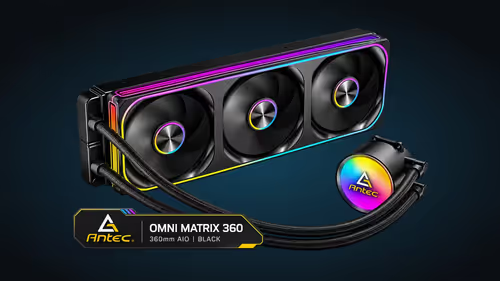
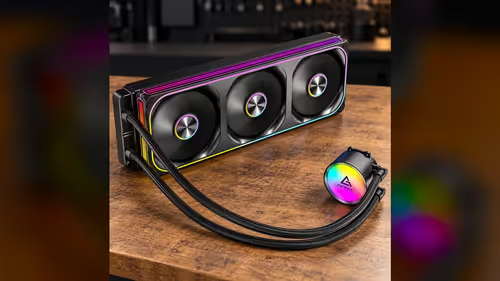
IIR-EPDM is not a brand name or a marketing term. It is a rubber blend, and each half of the name points to one of its two parts: IIR is butyl rubber, and EPDM is a synthetic rubber. Its tubing, IIR-EPDM, is there to keep coolant from passing through the wall. This guide explains what each rubber contributes, why a blend is chosen over either one alone, and what the blend means for a loop that has to hold its coolant for years.
Quick Answer
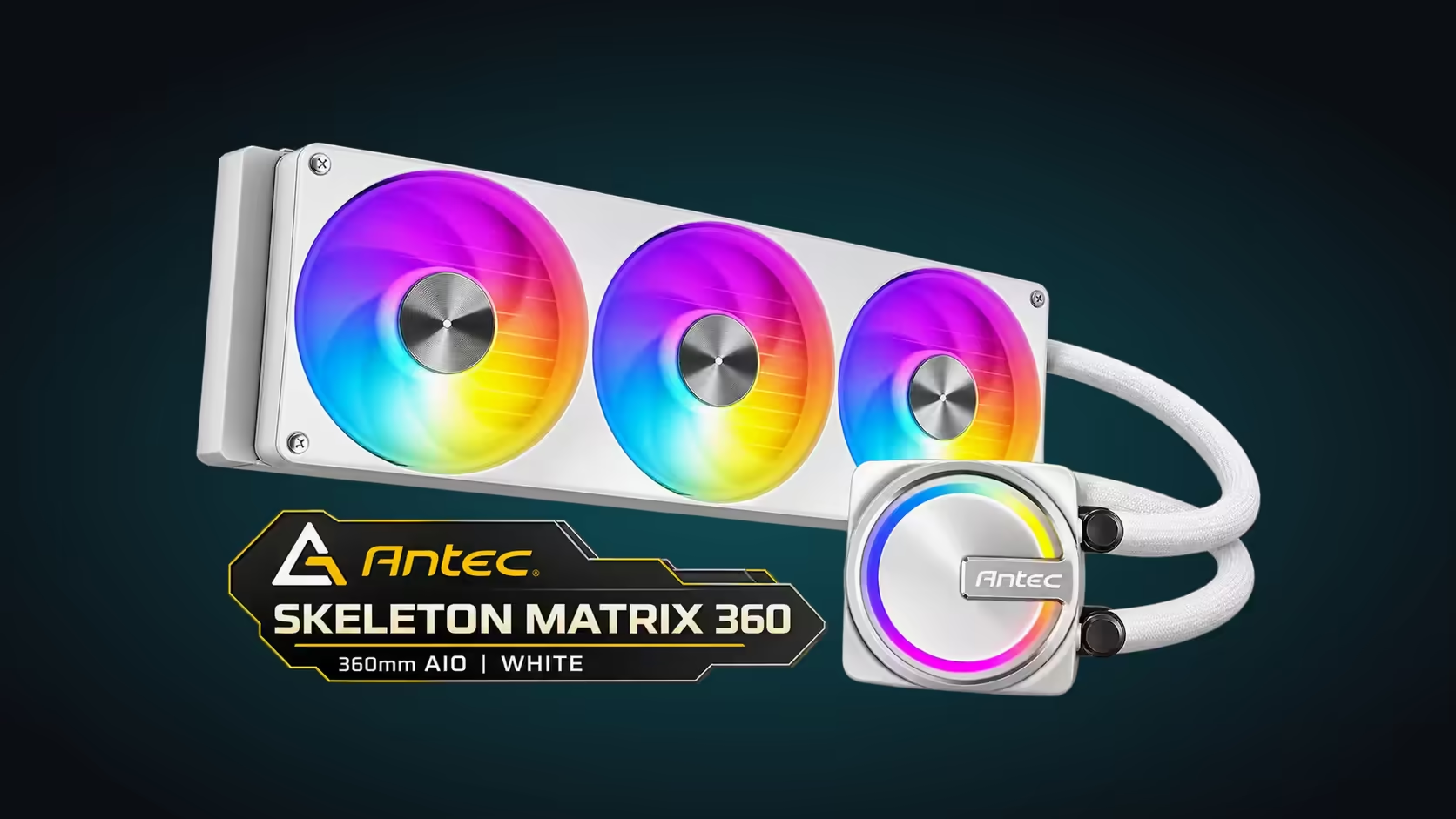
IIR-EPDM is a blend of butyl rubber (IIR) and EPDM, two synthetic rubbers chosen for how little fluid they let through. The Skeleton Matrix 360 White uses it to limit coolant loss, and the cooler costs R1,199 including VAT.
🧴 What butyl and EPDM each bring
Butyl rubber, written IIR, is the rubber most often picked when a barrier to gas or liquid matters, as in inner tubes that hold about 2 bar for weeks. Its molecular structure is tightly packed, which slows the passage of small molecules through the material. Butyl is the reason inner tubes hold air for weeks, and the same property helps a cooling loop hold coolant.
EPDM is a synthetic rubber known for resistance to heat, ozone and weathering. Its resistance holds well above the 30C of a warm South African room. It helps a tube hold its shape and resist cracking in conditions that would age a weaker rubber. On its own, EPDM lets more fluid through than butyl does, so the blend uses EPDM for toughness and butyl for the barrier.
🔧 Why a blend and not a single rubber
A single rubber always gives something up. Butyl alone holds coolant well, but it has to be paired with a rubber that copes with heat and ageing. EPDM alone is durable, but it lets more through. A blend lets the tube designer tune the balance, rather than accept one property at the expense of the other.
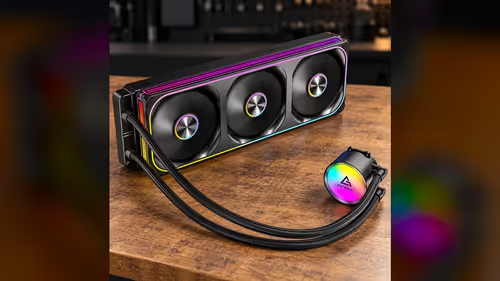
For the Skeleton Matrix 360 White, that balance is the point of the tubing. Think of the blend as a bargain: a little less barrier than butyl alone, traded for a tube that lasts far longer in a hot case than EPDM alone would. The tube wall is the material that decides how fast coolant can pass through, and the blend is chosen so that rate stays low across the years a cooler is in service.
📏 The tube itself: diameter and wall
AIO tubing is commonly around 14mm in outside diameter. The wall is thin enough to route around fans and standoffs, and thick enough to hold the fluid for years. A thicker wall slows permeation further, but it also stiffens the tube and makes a 14mm bend harder to form. A bend radius under about 42mm risks a kink in standard 14mm tubing, and a kink narrows the flow in the loop.
Those numbers are the practical limits for a route. Measure the path from the pump to the radiator, count the bends, and check each one against the 42mm figure before you tighten the radiator into place.
🕰️ What the blend does over years of service
A loop is judged over years, not weeks. If it must keep its coolant for 5 years, even a small loss each year adds up across all of them. A tube that passes fluid slowly keeps the loop topped up for longer, and a tube that holds its shape keeps the tube path from straining the fittings. Both matter for a cooler that sits in a case through summer after summer.
Heat is the stress that ages rubber fastest, and a PC that runs 4 or 5 hours on a gaming night puts that stress on the tube every session. A room that runs between 27C and 30C in a South African summer is a steady test for any tube, and a blend that handles heat while resisting permeation is the reason the material is chosen. Keep the case's airflow steady, so the tubing does not sit in hot, still air for long stretches.
🛒 What the material means at the point of purchase
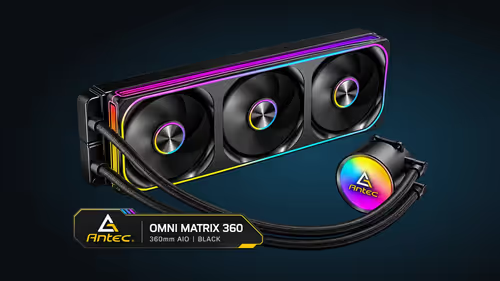
When you compare coolers, the tube material is one of the few details that changes long-term behaviour without changing the look. The Skeleton Matrix 360 White ships with its IIR-EPDM tubing already in place at R1,199 including VAT, so the material choice is made before the cooler reaches the case.
Ask the same questions of any AIO: what the tube is made from, how thick its wall is and how the route works in your case. Those answers say more about long-term performance than a glossy line about looks.
The 360mm AIO coolers range puts tubing in context within the rest of the loop, and the CPU coolers category holds the full selection.
🔬 Testing a loop after six months
A permeation test is a lab measurement, so a buyer cannot repeat it at home. What a buyer can do is keep a simple record: the install date, the processor temperature after a 15-minute load test, and the same reading after six months. A temperature that drifts up by several degrees over that time points to the loop or the contact, not to the room. Record the room temperature alongside it, so a warm afternoon is not mistaken for a leak.
🧾 Questions to ask about the tube
Find out three figures for any AIO: the tubing material, the outside diameter in millimetres and the wall thickness in millimetres. A 14mm tube gives a bend-radius target of about 42mm, while a 10mm tube gives about 30mm. Those numbers tell you how the tube will route before you touch the cooler. Write them next to the radiator measurement, so the route and the mount are checked together before the cooler is opened.
Frequently Asked Questions
What does IIR stand for?
IIR is butyl rubber, a synthetic rubber known for low permeability.
What does EPDM add to the blend?
EPDM adds resistance to heat, ozone and weathering, which keeps the tube tough over the years.
Why does the Skeleton Matrix 360 White use IIR-EPDM?
That blend was picked because it keeps the loop's fluid where it belongs.
Is IIR-EPDM a brand of tubing?
No. It names a rubber blend of two synthetic rubbers, not a brand.
Ready to see how the loop fits your case?
Browse Evetech's liquid CPU coolers, then measure the tubing route against your case before you order.