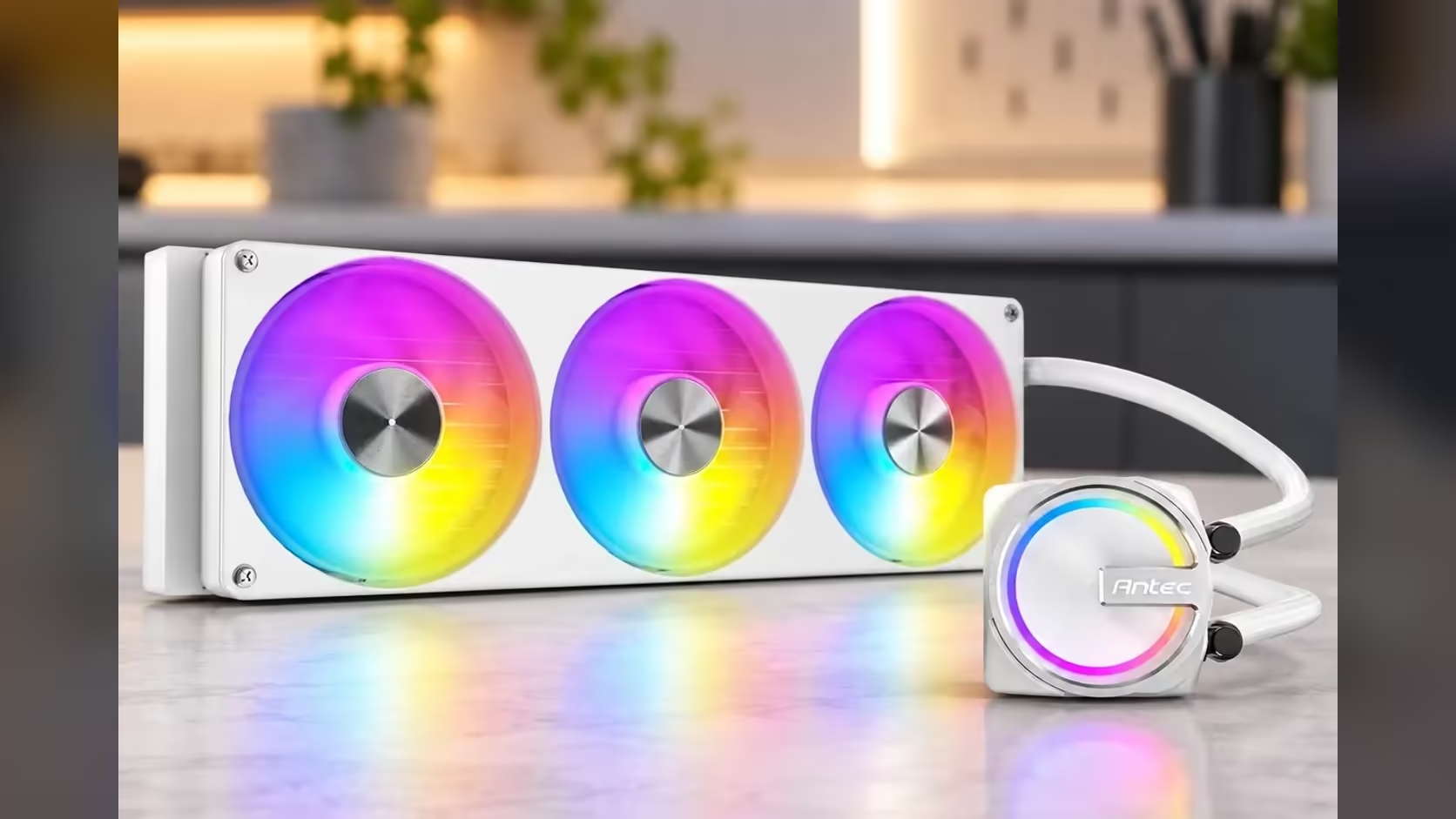
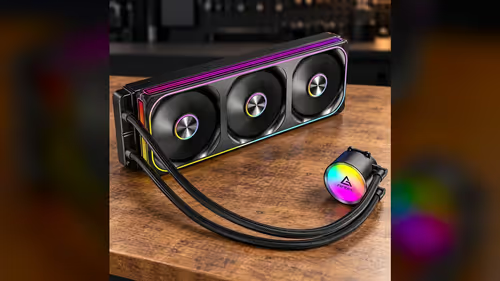
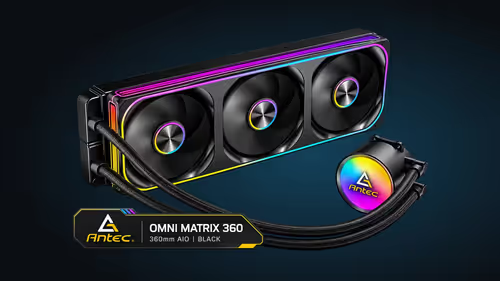
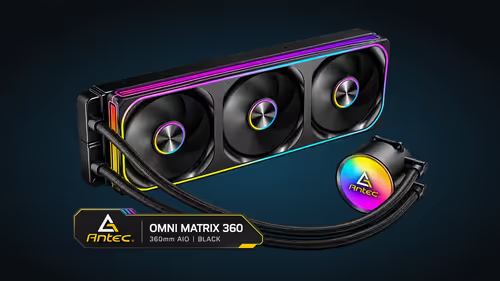
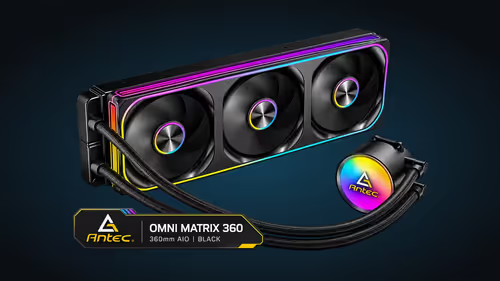
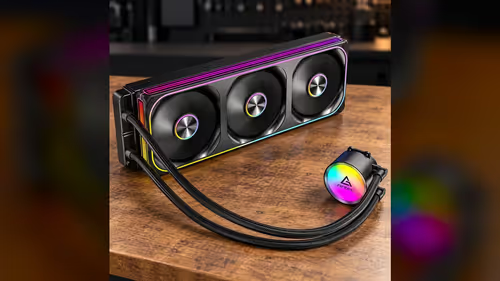
The Antec Skeleton Matrix 360 ARGB AIO Liquid CPU Cooler in white pairs a 360mm radiator with an 8-pole pump rated at 2800RPM. The speed is the easy figure to read. The pole count says more about how the motor is built, and it is the one most buyers skim past. This guide explains what those eight poles mean, why the rated speed is the number to compare, and how the pump fits into a South African room that gets hot in summer.
Quick Answer
An 8-pole pump is a motor built with eight magnetic poles, which is four north-south pairs. The pole count describes the motor's design rather than how fast it spins, so compare the rated speed instead. The Antec Skeleton Matrix 360 White runs at 2800RPM and costs R1,199 including VAT.
⚙️ What eight poles actually describe
A pole is one magnetic segment around the motor. Eight poles means eight segments in an alternating north-south pattern, and that makes four pole pairs. Spaced evenly, eight poles sit 45 degrees apart around the full 360 degrees of the rotor. The count is fixed when the motor is designed, and it shapes how the magnetic field sits around the rotor. Designers weigh the pole count against the speed the pump must reach and the smoothness the coolant flow needs, so the number reads as a window into the design rather than a score you can rank pumps by.
You will never see the poles on a finished cooler without taking the pump apart, so the number matters mainly as a sign of design. The pole count also explains why the pump needs electronics to run at all. Every mechanical turn of the rotor passes through four full electrical cycles. The controller switches the coils four times as often per turn as it would in a two-pole design, which is why the pump's rated speed depends on how the drive electronics run it, not on the pole count alone.
Two pumps with the same rated speed can have different pole counts. The speed tells you more about what the pump does once it is running, and the radiator and fans tell you the rest.
🔁 Why the rated speed is the number to compare
The Skeleton Matrix 360 White is rated at 2800RPM. That is 2800 revolutions a minute, or about 47 turns a second. It is the design speed the pump runs at, and it has to line up with the rest of the cooler: the 360mm radiator, the single-frame fan that runs from 800 to 2400RPM under PWM, and the copper base plate that takes heat off the processor.
When you compare two 360mm coolers, read the pump speed alongside three other figures before you decide one pump is stronger:
- The radiator size, which is 360mm on this cooler.
- The fan speed range, which is 800 to 2400RPM on PWM here.
- The base plate material, which is copper on this cooler.
Speed alone does not set the cooling. A pump that moves coolant faster carries heat to the radiator sooner, but the radiator and the fans decide how much of that heat leaves the loop. A fast pump on a small radiator with slow fans gives you a cooler that runs hot, not a better one. The 360mm AIO coolers range is the place to see how radiator size and pump speed sit together across different models.
In a room where the afternoon air sits in the high twenties Celsius, the radiator works against warm air all day. That is where the fan range earns its keep. The fans climb toward 2400RPM when the processor works hard and drop back when it is idle, while the pump keeps coolant moving at its rated speed.
🔇 Pump noise and the BIOS setting that controls it
On most boards the pump plugs into a header labelled for AIO pumps, often marked AIO_PUMP, and the board sets its speed from BIOS. Open the fan control page in BIOS before your first load test and check which mode the pump header is on. A pump held at full speed will whine on a quiet night even when the processor is idle, and that noise has nothing to do with the cooling it provides.
Leave the pump on its default curve first. Run a 15-minute load test, then listen from where you actually sit at the desk. If the hum carries across the room, lower the pump's curve a step at a time and test again. The goal is a pump that stays quiet while the radiator still moves heat at the end of a long session.
Also keep the CPU coolers category in view when you compare models, because pump noise and fan noise are judged together in a real case. A quiet pump in an open frame sounds different from the same pump behind a closed front panel.
💸 What R1,199 covers in this cooler
The R1,199 price includes VAT, and that is the figure to weigh against the rest of your budget. Money a buyer might otherwise put into a separate fan set can go toward case airflow instead, and airflow shapes how well a 2800RPM pump performs in practice.
The 2800RPM pump only pays off if the rest of the build holds up. Check that the radiator fits the case mount, that the socket is one the cooler supports, and that the fans have room to breathe. Those checks cost nothing and decide more of the outcome than any single pump figure.
Frequently Asked Questions
Is 2800RPM fast for an AIO pump?
2800RPM is the rated design speed of the Skeleton Matrix 360 White's pump. Read it alongside the 360mm radiator and the 800 to 2400RPM fan range rather than as a score on its own.
Does a higher pole count make a pump stronger?
Not by itself. The pole count describes how the motor is built, while the rated speed, the radiator and the fans decide how the cooler performs in use.
Can I count the poles on a pump before I buy?
Not from the outside. The pole count is an internal design detail, so check the rated speed, the socket support and the radiator mount before you buy.
Will the pump be loud in a small room?
It depends on the pump's control setting and the case. Run it on the default curve, load-test it for 15 minutes, and listen from your usual seat before you change anything.
Ready to compare 360mm AIO coolers?
Browse Evetech's CPU cooler range and check radiator size and socket support against your case and board before you buy.