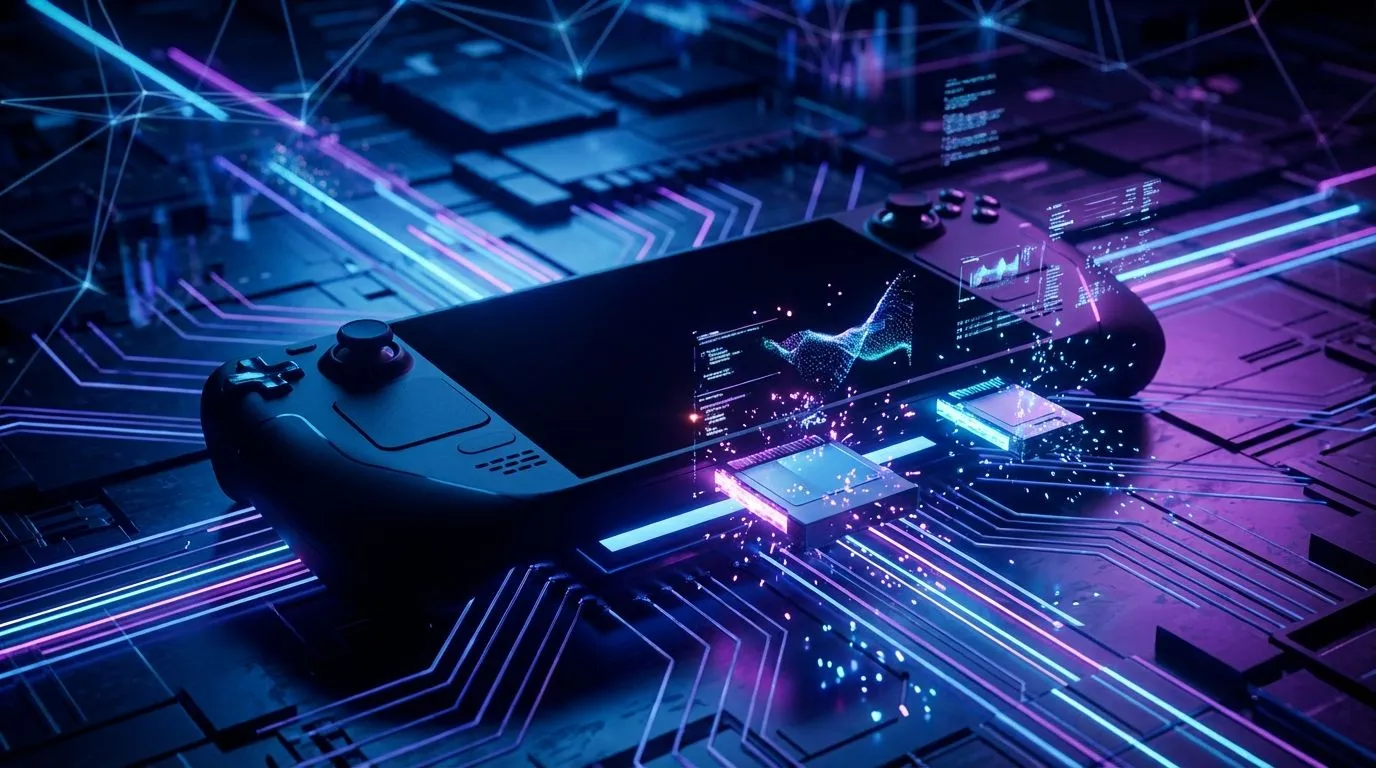
Running out of space on your Steam Deck or ROG Ally? We've all been there. That dreaded 'Storage Full' notification always pops up at the worst time. Modern games are massive, and default storage just doesn't cut it. Before you start deleting your favourites, let's explore how to easily expand your handheld console storage with the right SSDs and SD cards. It's simpler and more affordable than you think, especially with local South African stock. 🚀
Why You Need to Expand Your Handheld Console Storage
The reason is simple: game sizes are ballooning. Titles like Baldur's Gate 3 or the latest Call of Duty can easily consume over 100GB each. Your handheld's built-in 512GB or 1TB drive fills up fast. Upgrading your handheld storage isn't just about fitting more games; it's about improving your experience. A faster drive, especially an NVMe SSD, can dramatically cut down loading times, getting you into the action quicker. More space means less time managing files and more time actually playing.
Choosing Your Upgrade: SSD vs. MicroSD Card
You have two main paths to get more storage for your handheld gaming PC, each with its own pros and cons. The right choice depends on your budget, technical comfort, and performance needs.
The Simple Route: High-Capacity MicroSD Cards
A MicroSD card is the easiest way to add space. It's a plug-and-play solution that takes seconds to install.
- Best For: Indie games, emulators, or older AAA titles that aren't as demanding on load speeds.
- What to Look For: Aim for a card with an A2 rating (Application Performance Class 2). This ensures faster read/write speeds, which is crucial for a smoother gaming experience compared to older A1 cards. It’s a fantastic, hassle-free option for any of the current handheld gaming consoles on the market.
The Performance Route: Internal NVMe SSD Upgrade
Replacing the internal Solid State Drive (SSD) offers the biggest performance jump. Handhelds like the Steam Deck, ROG Ally, and Legion Go typically use a compact M.2 2230 NVMe SSD. Swapping the stock drive for a larger, faster one is the ultimate solution.
- Best For: Your most-played, graphically intense AAA games where every second of loading time counts.
- What to Look For: A reliable Gen4 M.2 2230 NVMe SSD from a trusted brand. While it requires opening up your device, the payoff in speed and capacity is massive. ✨
Check Your Specs First! 🔧
Before buying an internal SSD, double-check the exact type your handheld uses. Most popular devices like the Steam Deck, ASUS ROG Ally, and Lenovo Legion Go use the compact M.2 2230 form factor. Buying the wrong size (like a 2280) means it simply won't fit. Always confirm compatibility first!
Our Top Storage Picks for Popular Handhelds
Different devices have slightly different needs, but the principles remain the same. More high-speed storage is always better.
For powerhouse machines like the ones from the ASUS Republic of Gamers lineup, an internal SSD upgrade is almost essential to let the processor and graphics shine. The same applies to the new MSI Claw handhelds, which pair Intel's latest chips with a vibrant screen; you don't want slow storage to be your bottleneck.
Meanwhile, the brilliant design of the Lenovo Legion Go makes accessing the internal M.2 slot incredibly straightforward. This makes it one of the easiest devices to perform an SSD upgrade on, giving you a huge performance and capacity boost with minimal fuss. For any of these devices, a 1TB or 2TB internal drive is the sweet spot for building a formidable portable library.
Is It Hard to Expand Handheld Storage?
Worried about the process? Don't be. Adding a MicroSD card is as simple as it gets—just slide it in. For an internal SSD upgrade, the process is more involved but very manageable for most people. You'll typically need a small electronics screwdriver kit and about 20-30 minutes. There are countless step-by-step video guides online for every popular model. It's a satisfying DIY project that pays huge dividends for your gaming life on the go.
Ready to Unleash Your Handheld's Full Potential?
Don't let a full drive stop the fun. Upgrading your handheld's storage is one of the best investments you can make for your portable gaming rig. Explore our range of high-speed SSDs and MicroSD cards and get back to what matters... playing more games.