Your Mini PC is a tiny beast, punching way above its weight class. But squeezed into that small chassis, components can run hot. A little TLC goes a long way in preventing slowdowns and ensuring your investment lasts for years. Proper Mini PC maintenance isn't just a chore; it's the secret to unlocking sustained performance. Let's dive into ten essential tips to keep your compact rig running like a dream. 🚀
Keep It Cool: Airflow and Placement
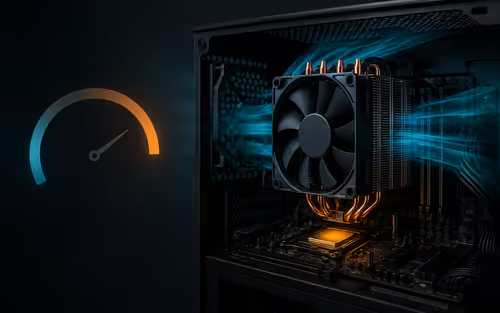
The number one enemy of any compact computer is heat. Because everything is packed so tightly, good airflow isn't just a nice-to-have... it's essential. Getting this right is the easiest part of Mini PC maintenance.
1. Give It Breathing Room
This sounds obvious, but you’d be surprised. Never place your Mini PC in a cramped cabinet or shove it against a wall. Ensure there’s at least 10-15 cm of clear space around its ventilation slots. Heat needs somewhere to go, so don't trap it.
2. Dust Off Regularly
Dust is an insulator. A layer of it clogging the vents and internal fans forces your components to run hotter and work harder. Every month or two, use a can of compressed air to blow dust out of the vents. Power down the PC completely before you do this. Whether you own one of these compact powerhouses or an older model, this simple step is critical.
3. Elevate for Excellence
If your Mini PC has vents on the bottom, consider placing it on a small stand or even some bottle caps to lift it slightly off the desk. This tiny bit of extra clearance can significantly improve airflow and reduce temperatures.
Digital Deep Clean: Software Optimisation
A clean system on the inside is just as important as a clean one on the outside. These software-based maintenance tips will keep your Mini PC feeling snappy and responsive.
4. Update Your Drivers
Outdated graphics and chipset drivers can cause instability, performance issues, and security vulnerabilities. Use Windows Update, NVIDIA GeForce Experience, or AMD Software: Adrenalin Edition to keep everything current. Set a reminder to check once a month.
5. Tame Your Startup Programs
Does your PC take ages to become usable after booting up? Too many programs launching at startup are likely the culprit. Press Ctrl + Shift + Esc to open Task Manager, click the "Startup" tab, and disable anything you don't need running immediately.
6. Stay on Top of OS Updates
Those Windows or macOS updates aren't just for new features. They contain vital security patches and performance optimisations that keep your system secure and running smoothly. Don't delay them!
Keep a Cool Head 🔧
Download a free tool like HWMonitor or Core Temp. It gives you a real-time look at your CPU and component temperatures. During a heavy gaming session or video render, if temps are consistently pushing past 85-90°C, it's a clear sign your Mini PC is struggling for air and needs a clean-out or better placement.
Proactive Care for Long-Term Health ✨
Going the extra mile with your Mini PC maintenance plan can add years to its life. These final steps are about protecting your hardware investment.
7. Monitor Your Temperatures
Don't just guess if your PC is running hot. As mentioned in our tip, using monitoring software gives you hard data. Knowing your baseline temps helps you spot problems before they cause permanent damage. Thankfully, the thermal designs on many of today's Mini PC models are excellent, but they still need clean airflow to work correctly.
8. Use a Surge Protector
Here in South Africa, power interruptions and power surges are a fact of life. A simple surge protector is a cheap insurance policy against catastrophic hardware failure. Don't plug your PC directly into the wall... ever. This is vital for protecting your investment, even for affordable yet powerful Mini PCs under R22,000.
9. Check Your Storage Health
A failing SSD or hard drive can bring your entire system to a halt. Use Windows' built-in "Defragment and Optimise Drives" tool (it runs TRIM on SSDs, which is essential) and a program like CrystalDiskInfo to check your drive's health status periodically.
10. The Advanced Step: Thermal Paste
After 3-5 years, the thermal paste that transfers heat from your CPU to its heatsink can dry out and become less effective. If you're comfortable opening your device and your temps are creeping up despite cleaning, a re-paste can make a massive difference. This is an advanced step, so watch a guide for your specific model first!
Ready for a Pint-Sized Powerhouse? Proper maintenance keeps your machine humming, but sometimes you just need more power. If you're ready to upgrade or jump into the world of compact computing, we've got you covered. Explore our huge range of Mini PCs and find the perfect fit for your desk and budget.